
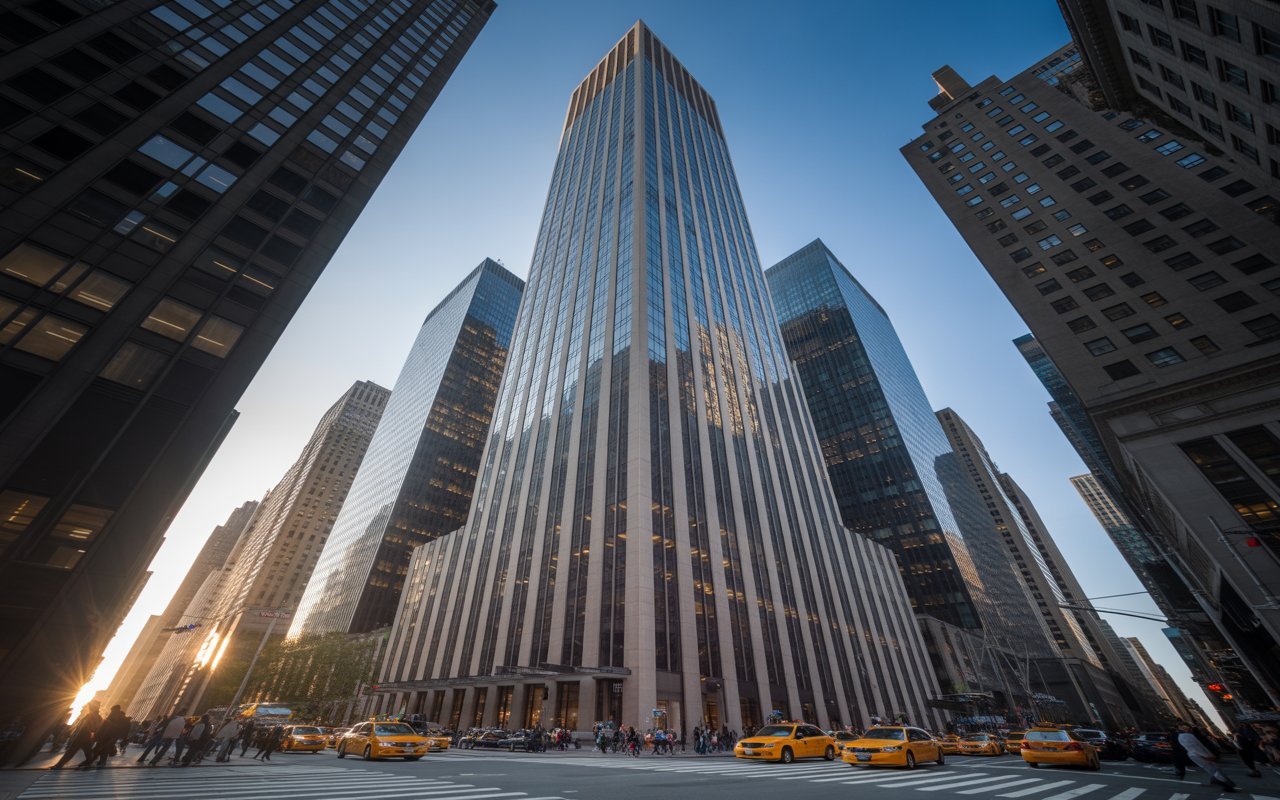

In the heart of Midtown Manhattan stands 300 Madison Avenue New York, a major office building and commercial hub that shapes part of the city’s dynamic skyline. Completed in the early 2000s, this building is known for its prime location, modern design, sustainability initiatives, and its ability to attract prestigious corporate tenants. Its presence reflects both the historic and contemporary essence of Midtown, making it a central piece of New York’s commercial real estate landscape.
History and Architectural Significance of 300 Madison Avenue New York
300 Madison Avenue New York was completed in 2002 as a high-rise office tower in the Midtown Grand Central area. Strategically positioned at the intersection of Madison Avenue and East 42nd Street, the building rises approximately 36–38 stories above the street. Its architecture combines modernist aesthetics with practical office layouts, featuring a sleek façade made of stone and steel.
The building was designed to complement both historical and contemporary structures nearby, maintaining a balance between elegance and functionality. Over the years, it has become recognized as a landmark office space that contributes to the iconic Midtown skyline.
Prime Location and Accessibility in Manhattan
One of the strongest features of 300 Madison Avenue New York is its prime location. Situated near Grand Central Terminal, the building offers unparalleled access to subway lines, buses, and commuter rail. This makes it highly convenient for employees and clients traveling from across the city and surrounding regions.
The surrounding area is a hub of business, dining, and retail, placing tenants in close proximity to major commercial amenities. The accessibility and centrality of the location have made it a top choice for companies seeking both prestige and practicality in Manhattan.
Major Tenants and Corporate Presence
The building hosts a diverse mix of tenants, ranging from financial services to retail. Notable companies include PricewaterhouseCoopers, CIBC, AJ Gallagher, and retail brands like Sephora and Sugarfina.
This tenant mix ensures the building maintains a dynamic atmosphere while also providing stability through long-term lease commitments. Its reputation attracts both established corporations and high-profile retail operations, making it a well-rounded commercial destination.
Discover exclusive content from Urbaneditorial
Sustainability Recognition and Energy Performance
Sustainability is a key aspect of 300 Madison Avenue New York. The building has earned a LEED Gold certification and multiple Energy Star awards, highlighting its focus on energy efficiency and environmental responsibility.
Key sustainability features include:
- High-performance building systems reducing energy consumption
- Environmentally friendly materials in construction and maintenance
- Advanced lighting and HVAC systems designed for efficiency
These measures not only reduce operational costs for tenants but also position the building as a leader in environmentally conscious commercial real estate.
Amenities and Building Infrastructure
The building offers a range of amenities designed to enhance the experience of tenants and visitors:
- 24-hour building access and professional security
- Modern elevator systems for quick vertical transit
- Flexible office layouts for different business needs
- Ground-floor retail and dining options
- Integration with nearby public transportation
These features ensure a seamless work environment and make it easy for companies to operate efficiently while providing comfort for employees.
Leasing Trends and Market Position
300 Madison Avenue New York consistently attracts tenants due to its prime location, quality infrastructure, and sustainability credentials. While hybrid work patterns have influenced office space demand in Manhattan, premium buildings like 300 Madison Avenue remain in high demand.
Class A office buildings in Midtown have continued to draw long-term leases, particularly from firms seeking central locations, prestige, and energy-efficient operations. This ensures the building remains competitive in a fluctuating office market.
Real Case Study: PwC’s Long-Term Occupancy
A notable example of the building’s appeal is PricewaterhouseCoopers’ long-term lease. As one of the largest professional services firms globally, PwC has maintained a significant presence in the building for years.
This commitment highlights the value of high-quality office space for companies that prioritize collaboration, client service, and a prestigious Manhattan address. PwC’s ongoing occupancy underscores the building’s stability and attractiveness in a competitive market.
Future Prospects and Market Outlook
Looking forward, the commercial real estate market in Manhattan is stabilizing. Companies are increasingly seeking sustainable, accessible, and modern office spaces. 300 Madison Avenue New York, with its strategic location, sustainability profile, and high-quality amenities, is well-positioned to continue attracting tenants.
Even as hybrid work models persist, the building’s features and reputation ensure it remains a prime choice for companies looking for a prestigious and functional office presence in Midtown.
Challenges and Considerations for Tenants
While 300 Madison Avenue New York offers numerous advantages, tenants should consider certain challenges:
- Office space requirements may decrease due to hybrid work trends
- Midtown office market vacancy can fluctuate
- Operating costs in premium buildings remain relatively high
Despite these challenges, the building’s sustainability, location, and tenant mix help mitigate risks, making it a strong option for companies seeking long-term value.
FAQs
- What is 300 Madison Avenue New York?
It is a major office skyscraper in Midtown Manhattan with commercial and retail tenants. - Who are the main tenants at 300 Madison Avenue?
PricewaterhouseCoopers, CIBC, AJ Gallagher, Sephora, and Sugarfina occupy major spaces. - Is 300 Madison Avenue sustainable?
Yes, it has achieved LEED Gold certification and multiple Energy Star awards. - How tall is 300 Madison Avenue New York?
The building rises approximately 36–38 stories above street level. - Why is 300 Madison Avenue attractive to tenants?
It offers prime location, sustainability, modern amenities, and strong corporate presence.
Conclusion
300 Madison Avenue New York remains a landmark in Manhattan’s commercial real estate scene. Its combination of prime location, prestigious tenants, sustainable design, and modern infrastructure makes it a top choice for businesses seeking both functionality and prestige.
From architectural significance to future-ready amenities, the building exemplifies how a modern office tower can meet the demands of today’s businesses while adapting to evolving market trends. It continues to stand as a reliable, high-performance hub in the heart of Midtown Manhattan.