
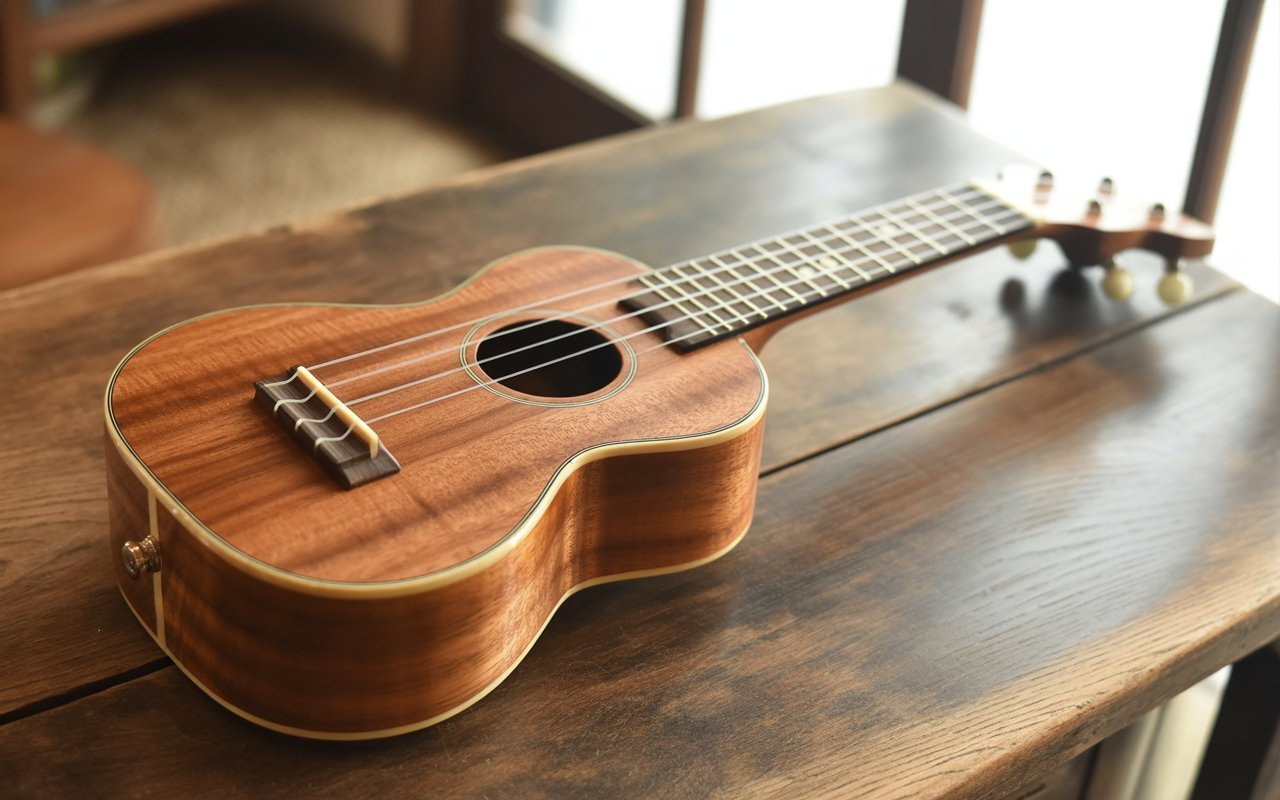

The historia del ukelele is a fascinating journey that blends migration, culture, and music. Today, the ukulele is known around the world as a cheerful and easy-to-play instrument. Its bright sound often reminds people of beaches, sunshine, and Hawaiian music. However, its story began far away from Hawaii.
Over time, the instrument traveled across oceans, cultures, and generations. It evolved from a small Portuguese string instrument into one of the most popular beginner instruments in modern music. Today, musicians use it in many genres such as pop, folk, indie, and educational music.
Understanding the historia del ukelele helps us see how music moves between cultures and adapts to new places. What started as a migrant instrument eventually became a symbol of Hawaiian culture and later a worldwide musical trend.
This article explores the origins, development, cultural impact, and modern revival of the ukulele.
Portuguese Roots of the Ukulele
The early story of the ukulele begins in Portugal during the 1800s. In the Madeira region, musicians commonly played small string instruments called the braguinha and the machete. These instruments had four strings and a compact body, making them easy to carry and play.
During the late 19th century, many Portuguese workers migrated from Madeira to Hawaii. They were recruited to work in sugar plantations that were expanding across the islands. These immigrants brought their culture, traditions, and musical instruments with them.
Among the migrants were skilled instrument makers who began building similar instruments using local Hawaiian woods. While the shape and design resembled the original Portuguese instruments, small changes were made to suit the local music style.
These adaptations gradually transformed the instrument into what we now recognize as the ukulele. This moment marked the beginning of the historia del ukelele as a distinct musical instrument rather than simply a Portuguese import.
How the Instrument Arrived in Hawaii
When the Portuguese immigrants arrived in Hawaii in the late 1800s, they introduced their musical traditions to the local population. Islanders were immediately intrigued by the lively sound and quick finger movements used when playing the instrument.
Local musicians started experimenting with the instrument and adapting it to traditional Hawaiian songs. The music blended beautifully with the rhythms used in hula performances and cultural celebrations.
The name “ukulele” was created during this time. In Hawaiian language, the term is often translated as “jumping flea.” The phrase humorously describes how quickly a player’s fingers move across the strings.
The instrument quickly spread throughout the islands. Within just a few decades, it became part of everyday Hawaiian life. Families played it at gatherings, musicians used it in performances, and it soon became deeply tied to Hawaiian identity.
Royal Support and Cultural Adoption
One of the most important turning points in the ukulele’s development happened when Hawaiian royalty embraced the instrument. King Kalākaua, who ruled Hawaii in the late 19th century, was known for encouraging Hawaiian arts and culture.
He promoted music, dance, and storytelling as important parts of national identity. When he heard the ukulele, he admired its sound and included it in royal performances and celebrations.
Because of the king’s influence, the instrument gained prestige and recognition. Musicians began performing with it in formal events and royal gatherings.
The royal endorsement helped transform the ukulele from a migrant instrument into a respected symbol of Hawaiian culture. This moment was critical in shaping the future of the instrument and securing its place in the historia del ukelele.
The Ukulele Reaches the United States
In the early 20th century, the ukulele began spreading beyond Hawaii. One key moment occurred during a major international exposition held in San Francisco in 1915. Hawaiian musicians performed traditional songs using ukuleles, and audiences were captivated by the sound.
Visitors were fascinated by the instrument’s cheerful tone and compact design. Many wanted to learn how to play it themselves.
Soon after, musical instrument companies began manufacturing ukuleles in large numbers. Music stores started selling them across the United States, and instruction books appeared to help beginners learn basic chords.
Within a few years, the ukulele became one of the most popular household instruments in America. Families often played it together during social gatherings, making it part of everyday entertainment.
Discover exclusive content from Urbaneditorial
The Ukulele Boom of the 1920s and 1930s
During the 1920s and 1930s, the ukulele experienced its first major global boom. It appeared frequently in stage performances, radio shows, and early recordings.
Many entertainers used the instrument because it was portable and easy to accompany with singing. The cheerful tone fit perfectly with lighthearted songs and comedic performances.
This era helped define the public image of the ukulele. It became associated with joy, relaxation, and casual entertainment.
Music publishers also printed thousands of songbooks designed specifically for ukulele players. These books taught simple chord progressions and encouraged people to sing along while playing.
As a result, the instrument became widely recognized and loved by audiences across different age groups.
The Decline After World War II
Despite its earlier popularity, the ukulele began losing attention after World War II. Musical tastes were changing rapidly during this time.
Electric guitars and new band styles became dominant in popular music. Rock and roll started shaping youth culture, and many musicians shifted toward larger and louder instruments.
As a result, the ukulele faded from the mainstream music scene. It still existed in Hawaiian music and certain folk traditions, but it was no longer a global trend.
However, the instrument never completely disappeared. A small community of musicians and enthusiasts continued playing and preserving its traditions.
Modern Revival of the Ukulele
The ukulele began experiencing a revival during the late 1990s and early 2000s. Several factors contributed to this renewed popularity.
First, a number of musicians started using the instrument in contemporary music. The soft and melodic sound worked well with acoustic and indie styles.
Second, the rise of online video platforms allowed musicians to share tutorials and performances. Beginners could easily learn chords and songs from home.
Third, schools began introducing ukuleles into music programs. The instrument is affordable, lightweight, and easier to learn than many others. This made it ideal for students and beginners.
Because of these factors, the ukulele gained millions of new players around the world.
Different Types of Ukuleles
The ukulele may look simple, but it comes in several different sizes. Each size produces a slightly different sound and playing experience.
Common types include:
- Soprano – the smallest and most traditional size
- Concert – slightly larger with fuller sound
- Tenor – popular among experienced players
- Baritone – the largest type with deeper tone
Each variation serves different musical styles and player preferences.
The Ukulele in Modern Music
Today the ukulele is used in many music genres. Its warm sound fits well in acoustic arrangements and relaxed performances.
Modern artists often use it in pop, indie, folk, and alternative music. Social media platforms have also helped spread its popularity, as many musicians share covers and original songs using the instrument.
Another reason for its success is accessibility. Unlike many instruments that require months of training to produce pleasant sounds, beginners can play recognizable songs on a ukulele within days.
Because of this, the instrument continues to attract new generations of musicians.
Cultural Impact Around the World
The ukulele is now played in almost every region of the world. Music festivals, online communities, and workshops celebrate the instrument and bring players together.
Many people see the ukulele as a symbol of happiness and creativity. Its friendly sound encourages participation rather than perfection.
The global spread of the instrument shows how music can unite cultures. The historia del ukelele reflects a journey across continents, connecting Portuguese craftsmanship, Hawaiian tradition, and modern global music culture.
FAQs
- Where did the ukulele originally come from?
The ukulele developed in Hawaii during the late 1800s.
It was inspired by small Portuguese instruments brought by immigrants. - What does the word ukulele mean?
The Hawaiian term usually translates to “jumping flea.”
It refers to the quick finger movement used when playing. - How many strings does a ukulele have?
A standard ukulele has four strings.
These strings create the bright and cheerful sound the instrument is known for. - Why is the ukulele easy for beginners?
The instrument has fewer strings and simple chord shapes.
Most people can learn basic songs very quickly. - Is the ukulele still popular today?
Yes, it has become very popular again in recent years.
Online tutorials and modern music have helped revive interest worldwide.
Conclusion
The historia del ukelele is a powerful example of how music evolves through cultural exchange. What began as a small Portuguese instrument eventually became a defining symbol of Hawaiian music and later a global phenomenon.
From royal Hawaiian courts to modern social media platforms, the ukulele has traveled a remarkable path. Its simplicity, joyful sound, and accessibility have helped it remain relevant for more than a century.
Today the instrument continues to inspire musicians of all ages. Whether played by beginners at home or professionals on stage, the ukulele carries a rich history that connects people through music.
The story of the ukulele reminds us that even the smallest instruments can have the biggest cultural impact.