
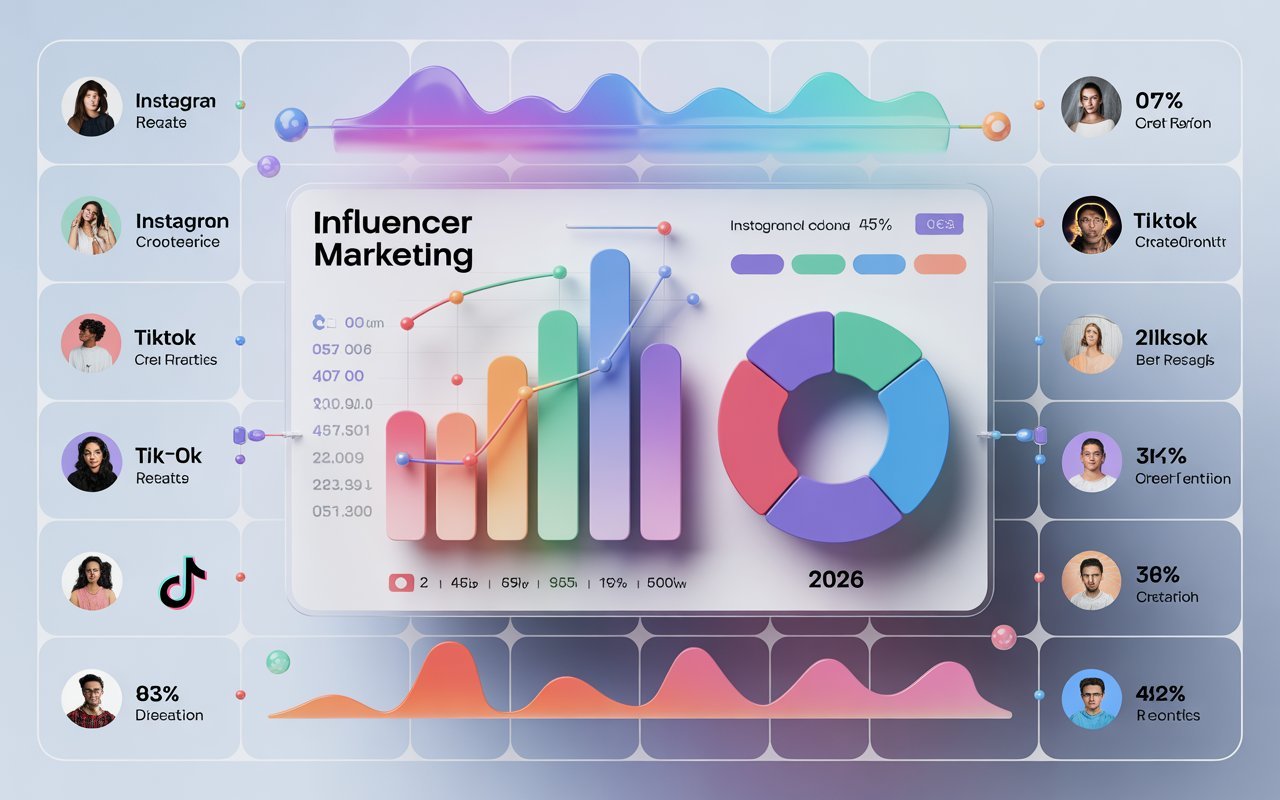

The landscape of influencer marketing news is rapidly changing — driven by evolving consumer behavior, shifting platform dynamics, and deeper measurement expectations. Influencer marketing is no longer just about impressions and likes. In 2026, it has become a strategic business channel with measurable impact.
Today’s industry trends show short‑form video dominates, performance measurement trumps vanity metrics, and authentic creator partnerships are core to brand growth. Brands are planning influencer budgets like they plan paid media, and creators are becoming deeper partners in strategy and product storytelling.
Influencer Marketing Has Matured Into a Core Growth Channel
Influencer marketing has evolved into a full-funnel growth engine that touches brand awareness, consideration, conversion, and retention.
Brands are integrating influencer efforts alongside paid media, CRM, and content strategies. Marketers now plan influencer budgets intentionally, tying them to outcomes like sales, affiliate revenue, and measurable conversions — not just reach.
This shift reflects a major transformation from early influencer campaigns that focused mainly on visibility. In 2026, influencer marketing is considered a central strategic investment for long-term business growth.
Short‑Form Video and UGC Are the Dominant Formats
Short‑form video content — especially on platforms like TikTok, Instagram Reels, and YouTube Shorts — remains one of the biggest drivers of engagement.
Brands are focusing on user-generated content (UGC) that feels authentic and native. UGC campaigns often outperform traditional brand-produced ads because they resonate with audiences and feel trustworthy.
This trend makes influencer content a reusable asset across multiple channels, increasing campaign efficiency and effectiveness.
Authenticity and Trust Beat Follower Count
Consumers — especially Gen Z and Millennials — trust real voices over polished promotional posts. In 2026, authenticity is the strongest predictor of influencer marketing success.
Micro and nano influencers, with smaller but highly engaged niche followings, often outperform macro-influencers in engagement and conversion rates. These creators deliver deeper connections because their communities feel like trusted peers.
Influence is no longer about numbers. It’s about genuine engagement and credibility.
Data and ROI Are the New Centerpieces of Influencer Marketing
Vanity metrics like follower count and raw views are no longer enough. Influencer marketing success is increasingly measured by real business outcomes including:
- Conversion rates
- Sales attribution
- Cost per acquisition
- Customer lifetime value
Advanced measurement approaches, such as marketing mix modeling and incrementality testing, are applied to understand the true impact of campaigns. Performance-focused strategies are now the standard.
Long‑Term Partnerships Are Becoming the Norm
The one-off influencer campaign is fading. Brands are investing in long-term collaborations, where creators become ongoing storytellers, advisors, and co-creators.
Benefits of long-term partnerships include:
- Consistent messaging
- Higher audience trust
- Integrated campaigns across multiple platforms
Long-term collaborations also reduce onboarding costs and improve overall campaign efficiency.
AI Tools Are Supporting — Not Replacing — Creators
Artificial intelligence is widely used, but it doesn’t replace human creators. AI supports workflow areas like:
- Influencer discovery and match scoring
- Content ideation and planning
- Predictive performance analysis
Human creativity remains essential for authentic storytelling. AI enhances efficiency, enabling more rapid experimentation and scaling of influencer campaigns without losing personalization.
Discover exclusive content from Urbaneditorial
Diverse Content Channels Are Expanding Influencer Reach
While TikTok and Instagram remain dominant, brands are diversifying into other channels including YouTube, newsletters, live commerce, and niche platforms.
Cross-channel influencer programs allow content repurposing and platform-specific storytelling, reaching audiences where they are most active and reducing dependency on any single platform.
Community‑Driven Influence Outperforms Mass Reach
Creators who foster engaged communities outperform large accounts with passive audiences. Success drivers include:
- Active community engagement
- Content relevance and consistency
- Reciprocity and trust
Influencers who act as trusted advisors lead to greater purchase intent and stronger brand loyalty over time.
B2B Influencer Strategies Are Emerging
Influencer marketing is no longer limited to consumer brands. B2B companies leverage:
- Subject matter experts
- Industry thought leaders
- Niche professional creators
These strategies improve lead quality, build credibility, and shorten sales cycles, showing that influencer marketing is expanding across industries.
Regulation and Transparency Are Becoming Strategic Advantages
As influencer marketing grows, transparency is critical. Audiences expect clear disclosure of sponsored content.
Brands prioritizing ethical practices, honest reviews, and transparent partnerships see higher engagement and trust. Compliance with disclosure rules is now both a regulatory requirement and a competitive advantage.
FAQs
- What is the latest influencer marketing news in 2026?
Influencer marketing is performance-focused, with creator partnerships integrated into full brand strategies. - Why are micro-influencers important now?
They deliver stronger engagement and trust within niche communities, outperforming larger accounts. - How do brands measure influencer ROI today?
By tracking conversions, sales attribution, customer lifetime value, and performance metrics, rather than just reach. - Is AI replacing human influencers?
No. AI supports creators but human authenticity remains essential for trust and engagement. - Are influencer marketing budgets increasing in 2026?
Yes. Most marketers plan to increase influencer budgets and tie them to measurable business outcomes.
Conclusion
The latest influencer marketing news shows a mature, performance-driven industry. Brands are investing in long-term partnerships, focusing on measurable impact, and aligning influencer activity with broader business goals.
Authenticity, data-driven insights, and community trust are now core to success. The future of influencer marketing lies in meaningful collaborations, measurable results, and human-centered content.
Adapting to these trends ensures that your influencer strategy will not just survive but thrive in 2026 and beyond.