
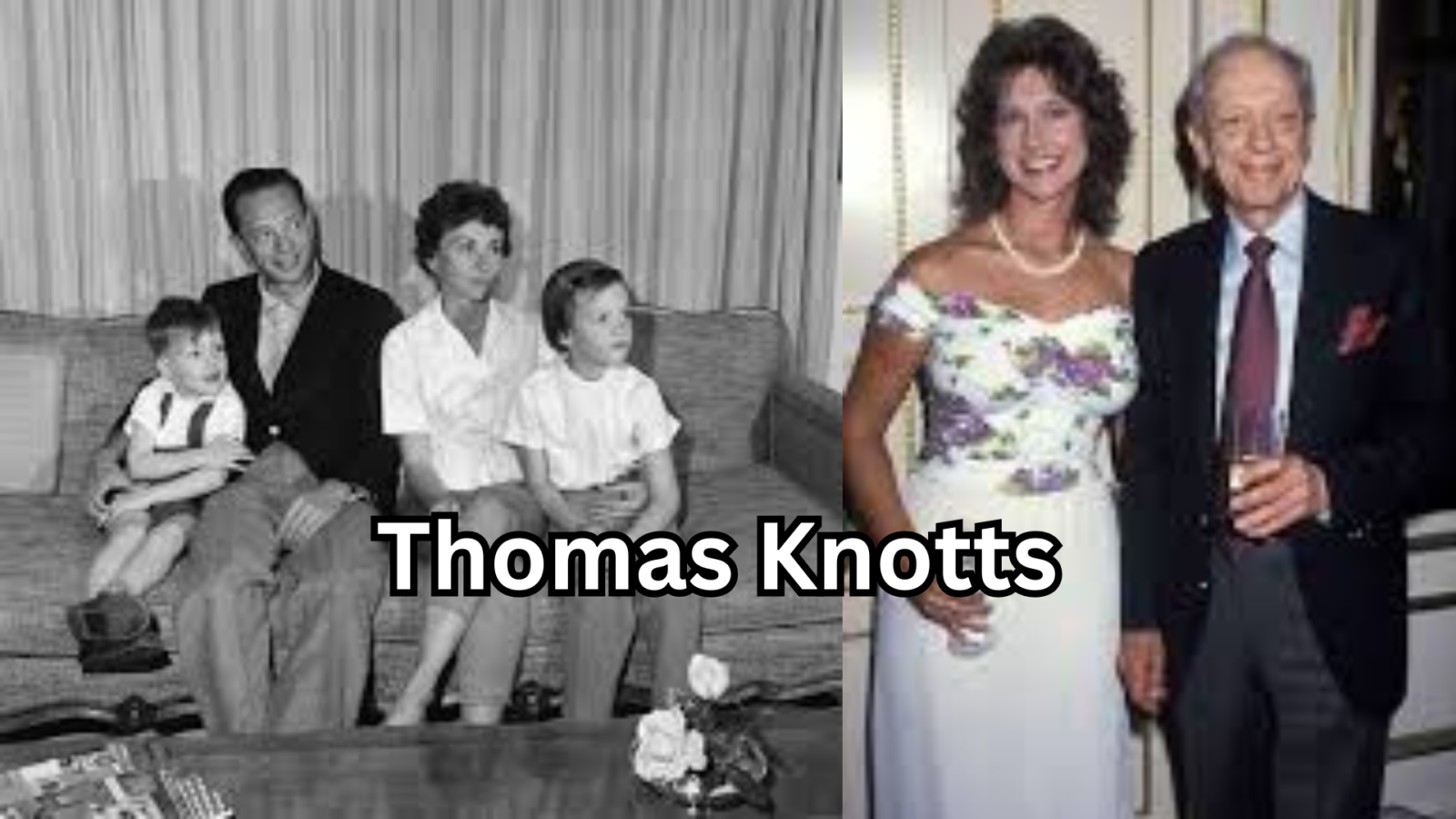

Thomas Knotts was an important American political figure from the early twentieth century. He is best remembered as the first mayor of Gary, Indiana, a city born during the rapid rise of industrial America. The story of Thomas Knotts reflects leadership, controversy, and determination at a time when cities were shaped by both workers and powerful corporations. This article explores his life, career, challenges, and long-term influence in a clear and engaging way.
Early Life and Education of Thomas Knotts
Thomas Elwood Knotts was born in 1861 in Highland County, Ohio. He grew up during a period when the United States was rebuilding after the Civil War. His early environment taught him resilience and discipline. Knotts later pursued higher education at Valparaiso University, where he developed skills that prepared him for leadership roles. His academic background helped him understand law, governance, and public administration.
Career Beginnings and Move to Indiana
In 1891, Thomas moved to Hammond, Indiana. There, he became involved in both business and public service. He worked in local law enforcement and gained firsthand experience dealing with civic issues. These early roles allowed him to build strong connections in the community and understand how local governments functioned at the ground level.
The Birth of Gary, Indiana
Gary, Indiana, was founded in 1906 as a planned industrial city built around a major steel operation. Thomas Knotts and his brother were among the earliest residents. They played a role in shaping the city during its earliest stages. As Gary grew quickly, Knotts became a recognizable leader in organizing civic structure and representing the interests of residents.
Thomas Knotts as the First Mayor
In 1909, Thomas Knotts was elected as the first mayor of Gary. His leadership focused on building basic city services, organizing municipal departments, and advocating for working-class citizens. His term laid the groundwork for local governance in a brand-new city. Knotts believed the city should serve its people rather than outside corporate interests.
Political Struggles and Labor Advocacy
One of the defining aspects of Thomas leadership was his opposition to corporate control. He openly challenged powerful industrial interests that sought influence over city politics. Because of this, he faced intense political pressure, including arrests and legal accusations. Despite these challenges, he was never convicted. His stance made him popular among workers but controversial among business leaders.
Business Ventures and Media Influence
Beyond politics, Thomas Knotts was active in business. He founded a local newspaper to give residents access to information and public debate. He also helped establish a local bank to support economic growth in the community. These efforts showed his belief in local ownership, transparency, and economic independence.
Discover exclusive content from Urbaneditorial
Life After the Mayoral Office
After losing the mayoral election in 1913, Knotts remained engaged in public affairs. Although he no longer held office, his influence continued through his business ventures and political voice. His career demonstrated the difficulties faced by reform-minded leaders in rapidly industrializing cities.
Personal Life and Family
Thomas Knotts was married and had children. While much of his life is remembered through his public service, his family life reflected the values of responsibility and stability common to leaders of his era. His personal relationships supported him during times of political stress and public scrutiny.
Death and Historical Legacy
Thomas Knotts passed away in 1921 following complications from surgery. He was 59 years old. Today, he is remembered as a founding figure in Gary’s history. His leadership during the city’s earliest years helped shape its identity and civic structure. His legacy remains tied to the struggle between community leadership and corporate power.
Real Historical Example: Leadership Under Pressure
Thomas serves as a real example of early urban leadership under pressure. His experience shows how mayors in industrial cities often faced conflict when defending public interests. Despite legal challenges and political opposition, he maintained his vision of a city governed by its people. This makes his story relevant even in modern discussions of civic leadership.
FAQs
Who was Thomas Knotts?
Thomas Knotts was the first mayor of Gary, Indiana, and a key figure in the city’s early development.
Why is Thomas Knotts historically important?
He helped establish local government and defended workers’ interests during Gary’s industrial growth.
What challenges did Thomas Knotts face?
He faced political opposition, legal accusations, and pressure from powerful corporations.
Did Thomas Knotts have business interests?
Yes, he founded a newspaper and helped establish a local bank.
When did Thomas Knotts die?
Thomas died in 1921 following surgical complications.
Conclusion
The life of Thomas Knotts highlights the challenges of leadership during a transformative period in American history. As the first mayor of Gary, Indiana, he helped build a city from the ground up while standing firm against powerful interests. His story remains a meaningful example of courage, public service, and civic responsibility.