
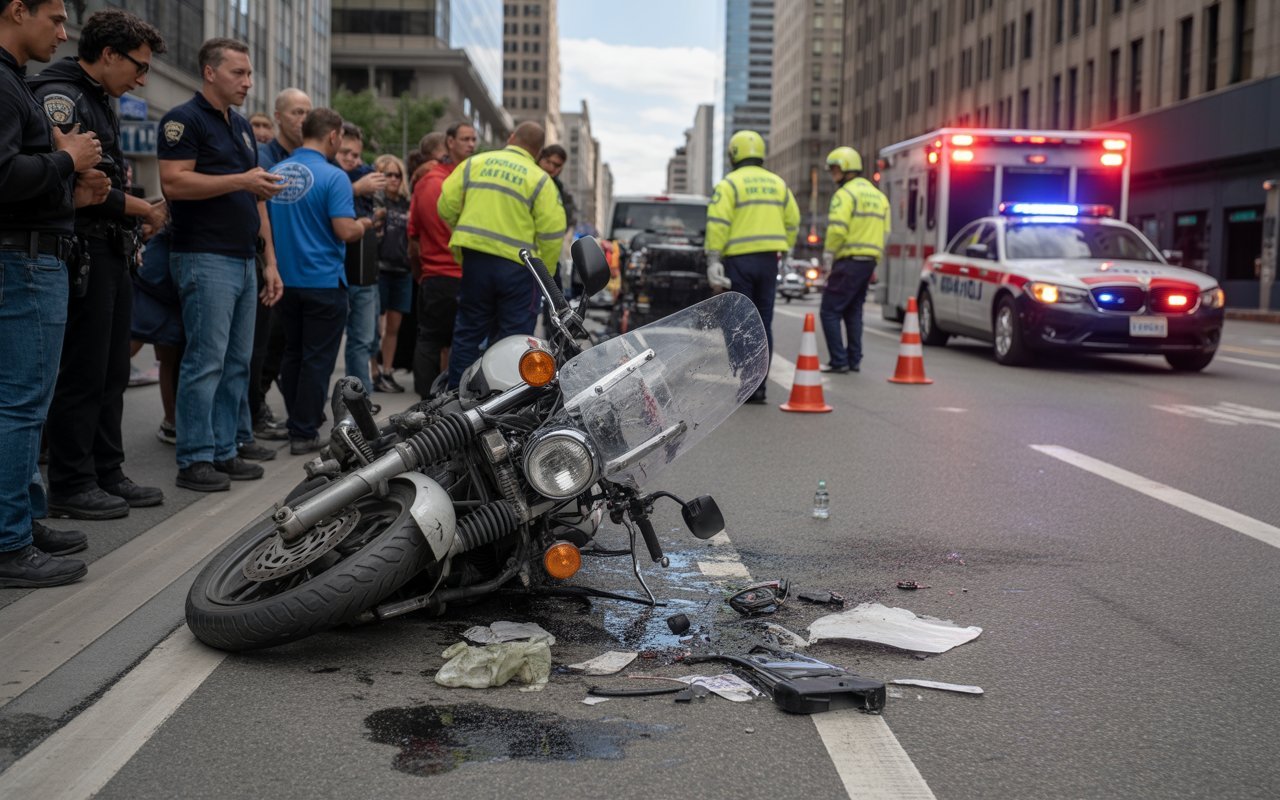

A motorcycle accident can change a person’s life in just a few seconds. Unlike cars, motorcycles offer very little physical protection. Even a low-speed crash can lead to serious injuries. Riders are more exposed to roads, traffic, weather, and sudden hazards. That is why understanding how motorcycle accidents happen, what injuries are common, and how to reduce risks is extremely important.
This article explains motorcycle accidents in clear, simple language. You will learn about causes, injuries, recovery, legal awareness, and prevention. A real-life example is also included to make the topic practical and relatable.
Understanding What a Motorcycle Accident Is
A motorcycle accident happens when a motorcycle crashes into another vehicle, object, road surface, or loses balance and falls. These accidents may occur in traffic, on highways, or even on quiet local roads. Because motorcycles are lightweight and exposed, the rider often absorbs the full impact of the crash.
Many people assume motorcycle accidents only happen at high speeds. In reality, a large number occur at intersections, during turns, or while changing lanes. Poor visibility, sudden braking by cars, and road hazards also play a major role.
Common Causes of Motorcycle Accident
Most motorcycle accidents are preventable. They usually happen due to a combination of human error, road conditions, and vehicle issues.
Key causes include:
- Cars failing to notice motorcycles
- Speeding or sudden lane changes
- Poor road surfaces like potholes or gravel
- Distracted driving by other motorists
- Riding without proper training or experience
When drivers underestimate the speed of a motorcycle, collisions become more likely. Defensive riding and awareness are critical to reducing risk.
Most Frequent Injuries in Motorcycle Accident
Injuries from a motorcycle accident are often severe because the rider has no external shield. Even protective gear cannot eliminate all risk.
Head injuries are among the most dangerous. Broken bones, spinal injuries, and internal bleeding are also common. Many riders suffer road rash, which may look minor but can cause serious infections if untreated.
Recovery from these injuries can take months or even years. In some cases, victims face permanent disability, affecting work and daily life.
Why Helmet and Protective Gear Matter
Protective gear is not just for appearance. It plays a major role in reducing injury severity during a motorcycle accident.
A certified helmet significantly lowers the risk of fatal head injuries. Jackets, gloves, boots, and reinforced pants protect skin, joints, and bones. Riders who wear full protective gear often recover faster and suffer fewer long-term complications.
Even experienced riders should never skip safety gear, especially for short trips.
Real Case Study: A Life Changed by One Crash
Ali, a 32-year-old office worker, used his motorcycle for daily commuting. One evening, while riding home at moderate speed, a car suddenly turned without signaling. The collision threw Ali onto the road.
He suffered a fractured leg and shoulder injuries. Because he was wearing a helmet, he avoided head trauma. Medical treatment and physical therapy took six months. During this time, Ali could not work and faced emotional stress.
This motorcycle accident highlights how protective gear and quick medical response can make a huge difference in survival and recovery.
What To Do Immediately After a Motorcycle Accident
Knowing the right steps after a motorcycle accident can protect your health and legal rights.
Important actions to take:
- Move to a safe area if possible
- Call emergency services immediately
- Do not remove your helmet unless necessary
- Document the scene with photos if safe
- Seek medical attention even if injuries seem minor
Many injuries do not show symptoms right away. Early medical care can prevent complications and support insurance or legal claims later.
Discover exclusive content from Urbaneditorial
Emotional and Psychological Impact on Riders
A motorcycle accident affects more than just the body. Emotional trauma is very common. Riders may experience fear, anxiety, or loss of confidence after a crash.
Some individuals develop stress reactions or avoid riding altogether. Support from family, counseling, and gradual return to riding can help emotional recovery. Mental health care is just as important as physical treatment.
Legal and Financial Consequences of Motorcycle Accident
After a motorcycle accident, riders often face unexpected expenses. Medical bills, bike repairs, and lost income can create financial pressure.
Understanding insurance policies and local traffic laws is essential. Documentation, witness statements, and medical records help in resolving claims fairly. In serious cases, legal guidance may be required to protect long-term financial stability.
How Road Conditions Increase Accident Risk
Road quality plays a major role in motorcycle safety. Potholes, oil spills, uneven surfaces, and poor lighting increase the risk of a motorcycle accident.
Unlike cars, motorcycles lose balance easily on damaged roads. Wet surfaces also reduce tire grip. Riders should adjust speed and stay alert, especially during rain or at night.
Preventing Motorcycle Accident Through Smart Riding
Prevention is always better than recovery. Safe riding habits greatly reduce accident risk.
Training courses improve skills and decision-making. Obeying speed limits, maintaining safe distance, and staying visible to other drivers are essential. Regular bike maintenance ensures brakes, tires, and lights work properly.
Responsible riding saves lives..
FAQs
1. Why are motorcycle accidents more dangerous than car accidents?
Motorcycles lack external protection, so riders absorb most of the impact during a crash.
2. Can low-speed motorcycle accidents still cause serious injuries?
Yes. Even slow crashes can cause fractures, head injuries, or road rash.
3. Does wearing a helmet really save lives?
Yes. Helmets greatly reduce the risk of fatal head injuries.
4. Should I see a doctor after a minor motorcycle accident?
Yes. Some injuries appear hours or days later.
5. Can motorcycle accidents be prevented?
Many can be prevented through training, awareness, and safe riding habits.
Conclusion
A motorcycle accident can happen to anyone, regardless of experience. However, understanding causes, wearing protective gear, and practicing safe riding habits can reduce both risk and injury severity.
Awareness, preparation, and responsibility are the keys to safer roads. Every rider deserves to return home safely after each ride