
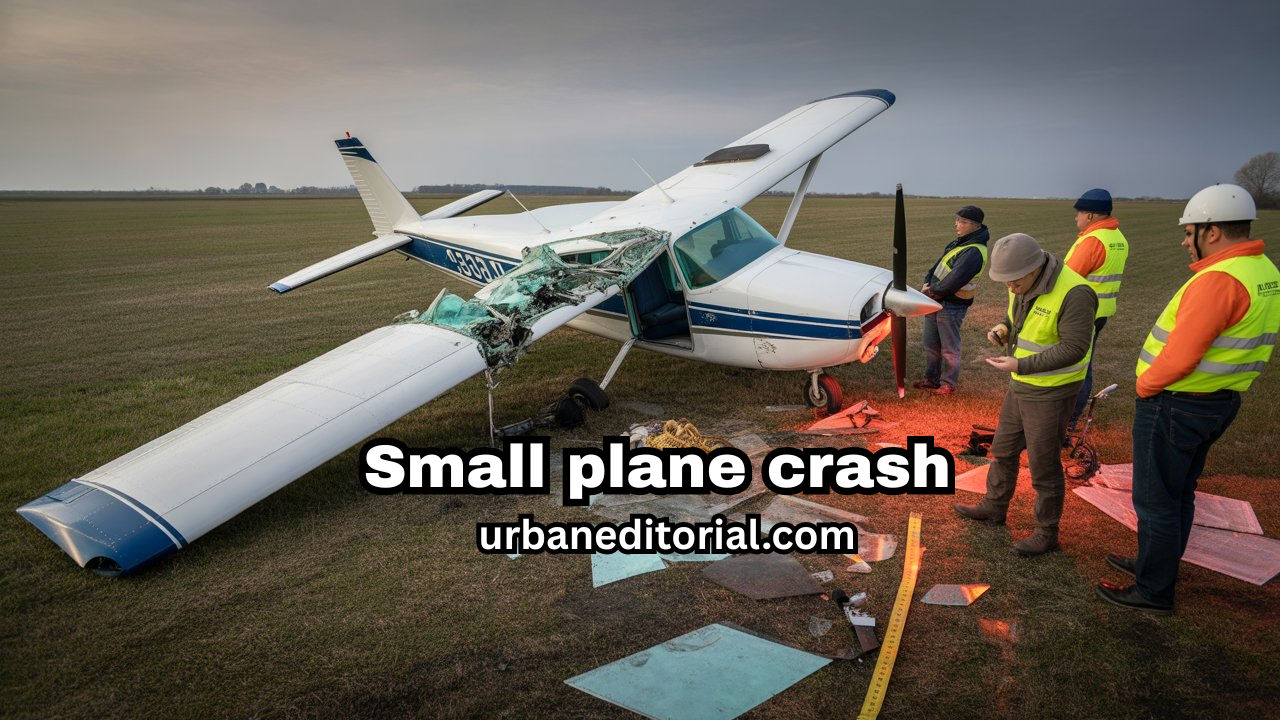

A small plane crash is an aviation incident involving light aircraft such as private planes, training aircraft, or small commuter planes. These aircraft usually carry fewer passengers and operate at lower altitudes than commercial jets. While flying is generally safe, small planes face unique challenges. Weather changes, pilot judgment, mechanical reliability, and limited technology all play important roles. Understanding why these crashes happen helps improve safety and awareness for pilots and passengers alike.
What Is Considered a Small Plane Crash
A small plane crash refers to an accident involving general aviation aircraft. These planes are often used for personal travel, pilot training, cargo delivery, or regional transport. Unlike large airlines, small planes often fly shorter routes and land on smaller airstrips. Because of this, they operate closer to terrain, buildings, and weather systems, which increases risk during takeoff and landing phases.
Common Causes of Small Plane Crash
Many small plane crashes happen due to a combination of factors rather than one single mistake. Pilot decision-making is one of the biggest contributors. Poor weather judgment, incorrect speed control, or loss of situational awareness can quickly turn dangerous. Mechanical issues such as engine failure, fuel contamination, or improper maintenance also play a role. Environmental conditions like fog, wind, or storms can overwhelm smaller aircraft faster than large jets.
Pilot Error and Human Factors
Human factors remain a leading cause of small plane crash incidents. Fatigue, stress, overconfidence, or distraction can affect even experienced pilots. In training flights, student pilots may misjudge altitude or speed, while instructors may underestimate risk. Poor communication and delayed decision-making during emergencies often worsen situations that could have been manageable.
Weather-Related Risks
Weather is especially dangerous for small aircraft. Strong crosswinds, low clouds, icing, or sudden storms can cause loss of control. Unlike commercial airliners, many small planes lack advanced weather radar. Flying into poor visibility can result in controlled flight into terrain, where the aircraft is technically working but hits the ground or obstacles due to poor visibility.
Mechanical Failure in Small Aircraft
Mechanical problems can lead to a small plane crash when systems fail mid-flight. Engine failure is one of the most serious issues, especially in single-engine planes. Fuel system problems, worn components, or missed inspections can cause sudden power loss. Preventive maintenance is critical, but smaller operators may have limited resources compared to airlines.
Real Case Study: Training Flight Accident
In a real-world training accident, a small aircraft conducting repeated takeoffs and landings lost control shortly after liftoff. The plane veered off course and struck a nearby structure, causing fatalities on the ground and in the aircraft. Investigators found that the maneuver was performed too low and too aggressively. This case shows how training flights, while routine, carry serious risks when procedures are not followed carefully.
Business Flight Small Plane Crash Example
In another tragic case, a privately owned turboprop plane crashed shortly after takeoff from a busy airport. The aircraft failed to climb properly and impacted a building. All passengers onboard were killed. Investigators suggested pilot workload and distraction during early flight stages may have contributed. This accident highlights that even modern aircraft cannot compensate for human overload during critical moments.
Environmental and Regional Challenges
Some regions experience more small plane crash incidents due to geography and infrastructure. Mountainous terrain, limited navigation aids, and unpredictable weather increase danger. Pilots flying in remote areas often rely heavily on visual references, which disappear quickly in fog or storms. Poor runway conditions also add risk during landing.
Technology Limitations in Small Planes
Unlike commercial jets, many small aircraft do not have advanced safety systems. Some lack autopilot, terrain warning systems, or flight data recorders. This makes both accident prevention and investigation more difficult. While technology is improving, cost remains a barrier for many private owners and flight schools.
Discover exclusive content from Urbaneditorial
Safety Improvements in General Aviation
Aviation authorities continuously work to reduce small plane crash risks. Improved pilot training programs, better weather forecasting tools, and stricter maintenance standards have made flying safer. Newer small aircraft models include enhanced avionics and safety features. Education and awareness campaigns also help pilots make smarter decisions before and during flights.
Psychological Impact of Small Plane Crashes
Beyond physical damage, small plane crashes deeply affect families, witnesses, and communities. Survivors often experience trauma, while families face emotional and financial hardship. Public fear can also rise after highly publicized crashes, even though such incidents are statistically rare.
Legal and Investigation Process
After a small plane crash, aviation authorities investigate to determine causes. They analyze wreckage, maintenance records, weather data, and pilot history. Because many small planes lack black boxes, investigations rely heavily on physical evidence and eyewitness accounts. Findings are used to improve safety rules and training standards.
Can Small Plane Crashes Be Prevented
Many small plane crashes are preventable. Better decision-making, conservative weather planning, and proper maintenance significantly reduce risk. Pilots are encouraged to delay flights when conditions are uncertain. Regular training and emergency practice also help pilots respond calmly during unexpected situations.
Public Perception vs Reality
Small plane crashes often receive intense media coverage, which can exaggerate fear. In reality, millions of general aviation flights occur safely every year. However, because small aircraft operate closer to the ground and have fewer safeguards, accidents can appear more dramatic. Understanding facts helps balance perception with reality.
Lessons Learned from Small Plane Crash History
History shows that most accidents repeat similar patterns: weather misjudgment, pilot error, or mechanical neglect. Learning from past crashes helps prevent future ones. Each investigation adds valuable knowledge to aviation safety practices worldwide.
FAQs
- What is the main cause of small plane crash incidents?
Pilot error and weather conditions are the most common causes, often occurring together. - Are small planes less safe than commercial aircraft?
Commercial aircraft have more safety systems, but small planes are still safe when operated correctly. - Do small planes have black boxes?
Most small planes are not required to have flight recorders, which complicates investigations. - Can weather alone cause a small plane crash?
Yes, poor visibility, strong winds, or icing can overwhelm small aircraft quickly. - How can pilots reduce crash risk?
Proper training, cautious weather decisions, and strict maintenance greatly reduce risk.
Conclusion
A small plane crash is rarely caused by a single factor. It is usually the result of human decisions, environmental conditions, and mechanical reliability coming together at the wrong time. Real cases show how quickly routine flights can become dangerous. Continued improvements in training, technology, and awareness are essential. With responsible planning and respect for limits, general aviation can remain both useful and safe.