
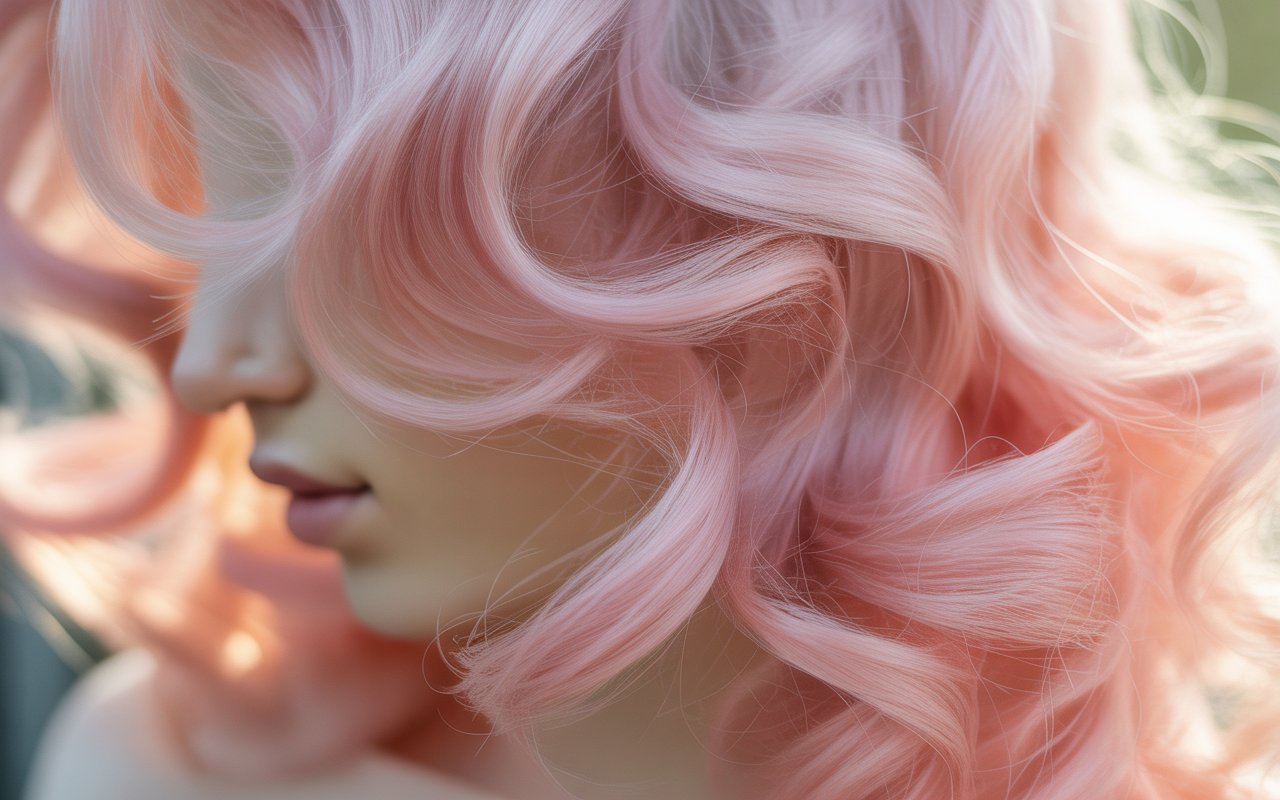

Pastel pink hair has quickly become one of the most eye‑catching beauty trends. It blends a soft, dreamy tone with a bold sense of individuality. Unlike intense neon colors, pastel pink is subtle, elegant, and surprisingly wearable. Many people choose this shade to express creativity without overwhelming their look.
This trend appears often on social media, in fashion magazines, and among beauty influencers. People love it because it feels fresh yet timeless. Pastel pink isn’t just one solid tone — it’s a range of soft hues that work with many styles and personalities. But achieving and maintaining this shade isn’t always easy. It usually requires careful preparation, proper coloring techniques, and consistent aftercare.
In this guide, you’ll discover how pastel pink hair works, how to get it, and how to keep it looking vibrant. If you’ve been curious about trying this dreamy color, this article will help you make the right choice.
Why Pastel Pink Hair Is a Major Trend
Pastel pink hair has gone from niche style to mainstream favorite. It stands out without feeling too bold. That’s a big reason why so many people love it. The color creates a soft, almost whimsical look that feels modern and stylish.
Another reason this trend took off is because it suits many different personalities. Whether you want a romantic vibe or a fun, edgy style, pastel pink adapts beautifully. It’s been embraced by celebrities, fashion enthusiasts, and everyday people alike.
Social platforms showcase stunning pastel transformations nearly every day. This visibility makes the trend feel more accessible. People see others pulling it off confidently, and they’re inspired to try it too.
Pastel pink also bridges the gap between classic hair colors and more dramatic fantasy shades. It feels playful, yet refined — perfect for anyone who wants to experiment with color without going too wild.
What Pastel Pink Hair Really Is
Pastel pink hair is a light, soft shade of pink. It resembles cotton candy, blush tones, or delicate rose hues. Unlike bright pink, pastel pink looks muted and gentle. The tone is created by diluting stronger pigments with more lightening agents or creamy tones.
This softness is what makes pastel pink so appealing. It feels less intense but still noticeable. To achieve pastel pink, the hair often needs to be very light first. The lighter the base, the more true the pastel color will appear.
Most people start with a blonde or very light base before applying the pastel shade. If the hair is too dark, the pastel pigments won’t show up well, and the color can turn out uneven or muddy. That’s why preparation is such an important step in the process.
In short, pastel pink isn’t just any pink — it’s a delicate, airy tone that needs a light foundation to shine.
How to Get Pastel Pink Hair (Step‑by‑Step)
Achieving pastel pink hair usually involves several steps. Each one matters to get a beautiful, even shade.
- Lighten the hair first: The hair should be bleached until very light blonde. This gives a clean base for the pastel color.
- Neutralize unwanted tones: Toning helps remove yellowness so the pink looks pure.
- Apply the pastel dye: A carefully mixed pastel pink dye is evenly applied to ensure a soft, consistent color.
- Let it process: The dye needs time to develop.
- Rinse with cool water: Cool water helps seal the color and makes it last longer.
- Deep conditioning: After coloring, conditioning treatments restore moisture.
Professional colorists recommend visiting a salon, especially for dark hair. Lightening hair safely requires skill. Multiple sessions may be needed to avoid damage. Taking time during this process ensures better results and healthier hair.
Popular Shades and Styles of Pastel Pink Hair
One great thing about pastel pink hair is that it’s not one fixed color. There are many beautiful variations to choose from.
Some people prefer a baby pink shade, which is very light and soft. This tone often suits romantic or feminine styles.
Others choose dusty rose, which adds a muted, modern look. This tone pairs well with textured styles or layered cuts.
There’s also a peachy pastel, which combines pink and light orange tones. This variation can suit warmer skin tones and has a sunny, vibrant feel.
Pastel pink highlights are another popular option. Instead of coloring the whole head, highlights add soft pink streaks for a subtle effect.
Balayage styles mix pastel pink with natural blonde at the roots. This style grows out more gracefully and feels softer overall.
Each variation brings something different. The right shade depends on your style and personality.
How to Care for Pastel Pink Hair
Pastel pink hair looks stunning, but it fades faster than darker colors. This makes proper maintenance essential.
First, avoid washing your hair every day. Frequent washing strips pigment and causes faster fading. Washing 1–2 times per week is ideal.
Use sulfate‑free shampoo designed for color‑treated hair. Sulfates can strip away color molecules, so gentle shampoos help the pink last longer.
Rinse hair with cool water instead of hot. Hot water opens the hair cuticle, letting color wash out quicker.
Conditioning is also crucial. Bleaching and dyeing dry out hair, so rich conditioners help restore softness and shine.
Some people use color‑refreshing conditioners to deposit a small amount of pigment during washes. These products help keep pastel tones vibrant between salon visits.
Good care habits make pastel pink hair stay fresh and beautiful for much longer.
Discover exclusive content from Urbaneditorial
Common Mistakes People Make with Pastel Pink Hair
Pastel pink hair is gorgeous, but many people struggle because of simple mistakes.
One mistake is not lifting the hair light enough before coloring. If the hair is too dark, pastel pink won’t show correctly. It can look brassy or uneven.
Another big issue is washing hair too often. Washing every day strips the color quickly. Also, using harsh shampoos with sulfates can fade pastel tones within a few washes.
Heat styling without protection speeds up fading too. Flat irons, curling wands, and blow dryers can weaken the color if heat protectant isn’t used.
Sun exposure is another overlooked factor. UV rays can dull pastel hues, especially in sunny months.
Avoiding these common errors makes it easier to enjoy pastel pink hair longer and with less frustration.
Real Case: Pastel Pink Hair Transformation Story
A young woman named Emily decided to try pastel pink hair before a summer music festival. Her natural hair was medium brown, so her stylist planned a multi‑step process.
In the first session, her hair was gradually lightened over two appointments to avoid damage. This careful approach helped her maintain strength and shine.
Once the hair reached a very light blonde base, pastel pink pigment was applied. The result was a soft, warm blush shade that suited her skin tone perfectly.
Emily shared that people stopped her everywhere she went. The pastel shade elevated her festival style and felt fun without feeling overwhelming.
She followed a maintenance routine that included color‑safe shampoo, cool water rinses, and weekly conditioning masks. Her pastel pink shade stayed vibrant for several weeks.
This transformation shows that pastel pink hair can look stunning when done thoughtfully and maintained properly.
Who Looks Best with Pastel Pink Hair?
Pastel pink hair can flatter many people, but some choices work better depending on skin tone and style.
People with cool skin undertones often look great in baby pink or icy pastel shades. These tones bring out cool highlights and create a soft contrast.
Those with warm undertones may prefer peachy pink or dusty rose shades. These warmer pastels blend beautifully with golden or olive skin tones.
Hair length also impacts the final look. Long, wavy styles give a dreamy effect, while short cut styles create a bold, edgy twist.
Ultimately, confidence matters most. Pastel pink hair attracts attention, so anyone who enjoys playful style will likely love the transformation.
Long‑Term Tips to Keep Pastel Pink Vibrant
Keeping pastel pink hair looking beautiful takes effort, but good habits go a long way.
- Wash hair sparingly to preserve pigment.
- Choose a gentle, color‑safe shampoo and conditioner.
- Avoid excessive heat styling.
- Use deep conditioning masks weekly.
- Touch up pastel tones with lightweight dyes between salon visits.
Dry shampoo can help extend time between washes. Some stylists also recommend occasional professional gloss treatments to refresh shine and tone.
With consistent care, pastel pink hair can stay fresh and vibrant longer than most people expect.
Is Pastel Pink Hair Worth It?
Trying pastel pink hair is exciting, but it’s not a zero‑effort color. The bleaching process, maintenance routines, and frequent care require commitment.
However, many people find the result rewarding. Pastel pink offers a delicate yet striking look. It lets you express creativity while still feeling modern and wearable.
For those who enjoy experimenting with beauty trends, this soft shade can be a beautiful and memorable transformation.
FAQs
How long does pastel pink hair last?
Pastel pink hair usually lasts about 2–4 weeks before fading noticeably.
Can I dye my hair pastel pink at home?
You can try at home, but salon professionals help ensure even lightening and safe results.
Does pastel pink hair damage hair?
Bleaching can cause dryness, but proper conditioning minimizes harm.
How often should I wash pastel pink hair?
Limit washing to 1–2 times per week to help preserve color.
Will pastel pink suit dark hair?
Dark hair typically needs significant lightening before pastel tones show accurately.
Conclusion
Pastel pink hair is one of the most charming and unique hair color trends today. Its soft, delicate tone creates a look that’s creative yet elegant. Though it requires preparation and care, the stunning results make it worth considering for anyone who loves expressive style. With the right approach and upkeep, pastel pink hair can be a beautiful, vibrant statement.