
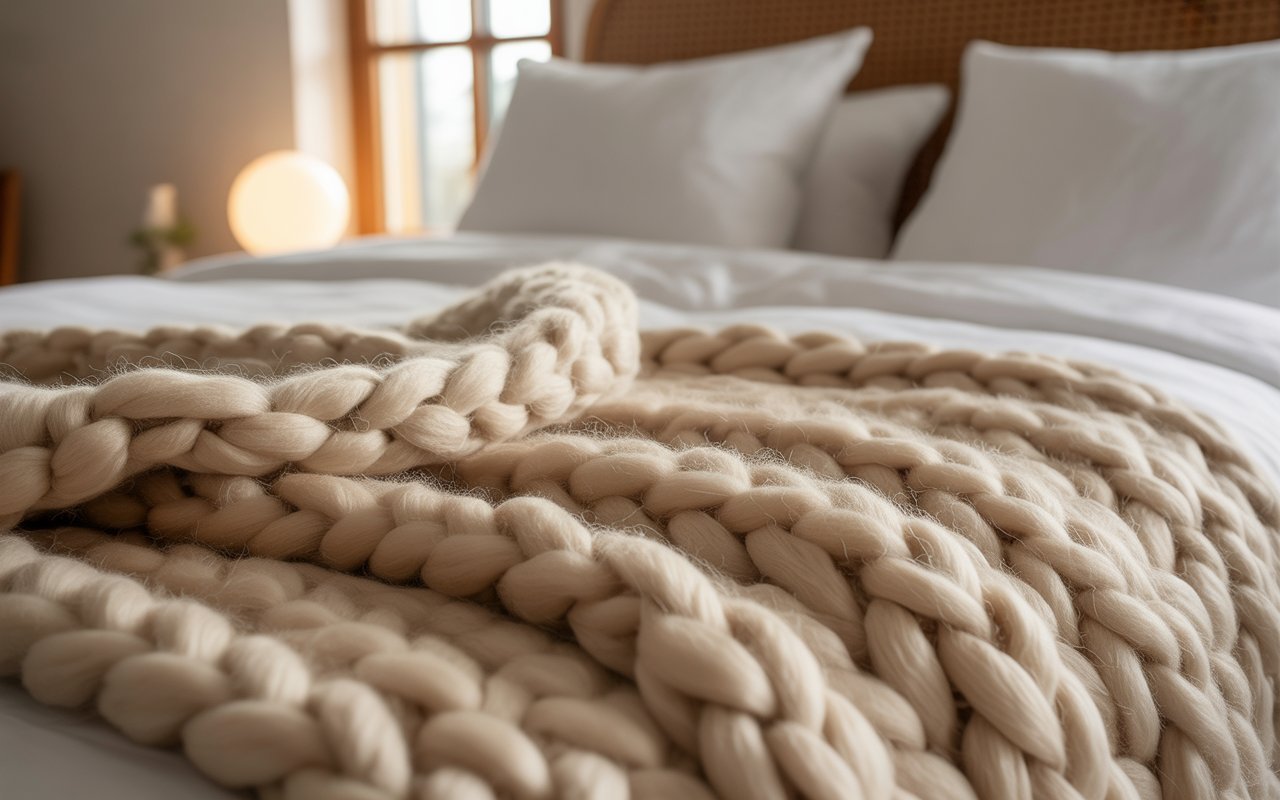

A blanket of wool is more than a cozy piece of bedding — it is a natural, durable, and environmentally friendly choice that has stood the test of time. Wool blankets are prized for warmth, breathability, and softness. Today, with sustainability trends and a renewed love for natural fibers, wool blankets have regained popularity as both a functional and decorative item in homes.
This guide will cover everything about wool blankets, from health benefits and history to current market trends, care tips, and practical uses.
What Is a Blanket of Wool?
A blanket of wool is a textile made primarily from sheep’s wool. Its natural crimped fibers create tiny air pockets, which trap warmth while allowing breathability. Unlike synthetic blankets, wool adapts to your body temperature, keeping you comfortable in both cold and warmer nights.
Wool blankets come in various types, including Merino, lambswool, virgin wool, and hand-woven heritage styles. The softness, warmth, and texture depend on the wool grade and the weave method used during production.
The History & Cultural Importance of Wool Blankets
Wool blankets have a long history and cultural significance. They have been used for centuries across the world for warmth, protection, and even trade. In North America, the Hudson’s Bay wool blanket became a trading staple and a symbol of Canadian heritage. In Eastern Europe, traditional handwoven wool blankets, such as those from the Carpathian region, reflect cultural identity and artisanal craftsmanship.
These blankets were often passed down through generations, emphasizing their durability, warmth, and symbolic value in many communities.
Top Practical Benefits of a Blanket of Wool
• Natural Temperature Regulation
Wool naturally regulates heat by trapping warmth during cold weather and wicking moisture during warmer conditions, keeping sleepers comfortable all year round.
• Moisture-Wicking & Breathable
The fibers can absorb up to 30% of their weight in moisture without feeling damp, ensuring dryness and comfort throughout the night.
• Hypoallergenic & Antimicrobial
Wool resists dust mites, mold, and mildew, making it ideal for people with allergies or sensitive skin.
• Durability & Eco-Friendliness
High-quality wool blankets can last decades. They are biodegradable and made from a renewable resource, making them a sustainable alternative to synthetic fabrics.
• Fire Resistance
Wool is naturally flame-resistant, adding an extra level of safety in homes.
Discover exclusive content from Urbaneditorial
How a Blanket of Wool Helps Sleep and Comfort
Many people experience better sleep quality with wool blankets. Their temperature-regulating ability ensures a stable, comfortable sleeping environment, which can help reduce tossing and turning. Wool also wicks moisture away from the skin, which is especially helpful for those who sweat during the night.
Studies indicate that using wool bedding can increase deep sleep duration and reduce disturbances, thanks to the cozy microclimate it creates around the body.
Current Market Trends for Wool Blankets
Wool blankets are making a strong comeback in modern homes. Key trends include:
- Sustainable living: Consumers increasingly prefer natural fibers over synthetic alternatives.
- Customizable designs: Monogramming, color choices, and designer patterns are growing in demand.
- Layered bedding styles: Wool blankets are often paired with lighter quilts or duvets to create texture and visual appeal.
These trends show a growing appreciation for high-quality, sustainable, and aesthetically versatile wool blankets in interior design.
Choosing the Right Blanket of Wool for You
When selecting a wool blanket, consider:
- Wool type: Merino is soft, lambswool is lightweight, and virgin wool is highly durable.
- Weight and warmth: Heavy blankets are warmer, while lighter ones are better for all-season use.
- Weave and texture: A tighter weave offers more warmth, while a textured weave adds visual interest.
High wool-content blankets (over 90%) provide superior warmth, softness, and longevity.
Care & Longevity: How to Maintain Your Wool Blanket
Proper care can extend the life of a wool blanket:
- Air it regularly: Wool naturally releases odors and dust, reducing the need for frequent washing.
- Use gentle detergents: Only use wool-friendly cleaning solutions when washing is necessary.
- Store properly: Keep it in a breathable cover to protect against moths.
- Shake and brush lightly: This keeps fibers soft and evenly distributed.
Wool requires minimal maintenance and its natural oils help repel dirt, reducing wear over time.
Case Study: Wool Blankets in Modern Home Design
In recent years, wool blankets have become popular as both functional bedding and decorative accents. Interior designers often use neutral-colored wool blankets in minimalist bedroom designs to add texture, warmth, and a touch of luxury.
Homeowners layer wool blankets over simple sheets to create a cozy, inviting atmosphere. The natural fibers align with trends emphasizing sustainability, craftsmanship, and comfort without sacrificing style.
Wool Blankets Beyond the Bedroom
Wool blankets are not just for beds. Their versatility makes them ideal for:
- Living room throws: Adding warmth and texture to couches and chairs.
- Outdoor use: Picnics, camping, and garden seating.
- Yoga or meditation wraps: Providing comfort during relaxation practices.
- Heritage displays: Highlighting traditional craftsmanship and culture.
The combination of durability, comfort, and aesthetic appeal makes wool blankets valuable throughout the home.
FAQs
- What makes a wool blanket better than a synthetic one?
Wool regulates temperature naturally, wicks moisture, resists allergens, and is biodegradable. - Are wool blankets suitable for all seasons?
Yes, wool adapts to temperature, keeping you warm in winter and cool in summer. - How long does a wool blanket last?
With proper care, a high-quality wool blanket can last decades. - Are wool blankets safe for people with allergies?
Yes, wool resists dust mites, mold, and mildew, making it allergy-friendly. - How should wool blankets be cleaned?
They require minimal washing; airing them out often is enough, and gentle wool detergents should be used when needed.
Conclusion
A blanket of wool remains a top choice for comfort, sustainability, and style. Its natural temperature regulation, moisture management, allergy-friendly properties, and long-lasting quality make it a superior alternative to synthetic options. Modern trends show wool blankets as both functional and decorative, suitable for bedrooms, living spaces, and outdoor use. Investing in a high-quality wool blanket ensures decades of warmth, comfort, and elegance.