
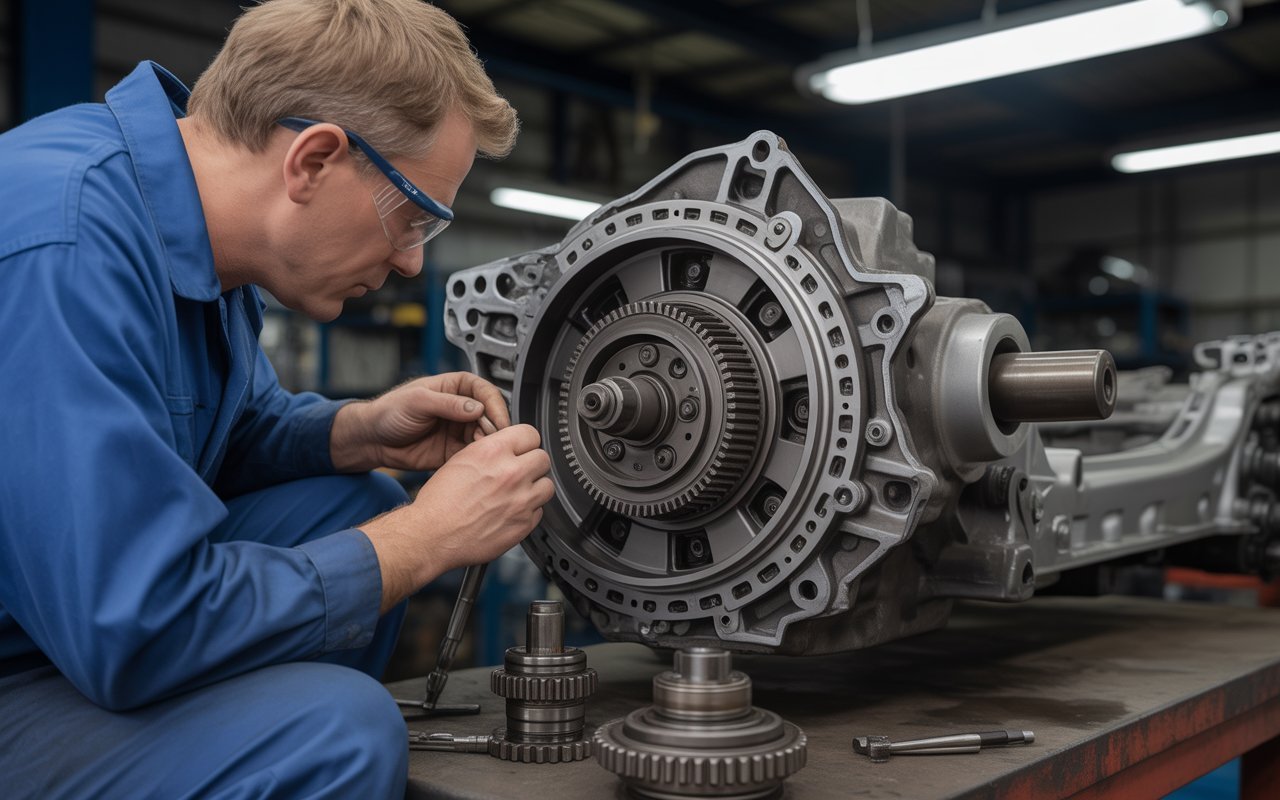

Your vehicle’s drivetrain is made of many important parts working together. One of the most critical components is the differential. When this system begins to fail, drivers may notice strange noises, vibrations, or difficulty turning the vehicle. In these situations, differential repair becomes necessary.
The differential allows the wheels of a vehicle to rotate at different speeds while turning. This function is essential because the outer wheel travels farther than the inner wheel during a turn. Without a properly functioning differential, tires would drag and wear out quickly, and the vehicle would be difficult to control.
Like any mechanical system, differentials experience wear over time. Lack of lubrication, heavy driving conditions, and aging components can all cause problems. Understanding how differential repair works helps drivers detect problems early and avoid costly replacements later.
In this complete guide, we will explore how differentials work, common signs of failure, repair options, costs, and maintenance tips.
What a Differential Does in a Vehicle
The differential is a gear system that distributes engine power to the wheels while allowing them to rotate at different speeds. This design is essential when a vehicle turns corners.
When a car goes around a bend, the outer wheel must travel a longer distance than the inner wheel. If both wheels rotated at the same speed, the tires would slip and the vehicle would lose stability. The differential solves this problem by adjusting wheel speeds automatically.
Inside the differential housing are several important gears that transfer power from the driveshaft to the wheels. These gears include the ring gear, pinion gear, spider gears, and side gears. Together, they manage torque distribution and maintain smooth wheel rotation.
Vehicles may use different types of differentials depending on their drivetrain. Rear-wheel drive vehicles typically have a rear differential, while front-wheel drive vehicles integrate the differential into the transmission. All-wheel-drive systems may use multiple differentials to balance power between axles.
When the gears inside this system become worn or damaged, the vehicle’s performance can suffer. That is when differential repair becomes necessary to restore proper operation.
Common Signs Your Vehicle Needs Differential Repair
Drivers often notice early warning signs before the differential fails completely. Recognizing these symptoms quickly can help prevent serious damage.
Common warning signs include:
- Whining or humming noises while driving
- Clunking sounds when shifting gears
- Vibrations during acceleration
- Fluid leaks near the axle housing
- Uneven tire wear
- Difficulty steering during turns
A whining noise is one of the most common symptoms. This usually happens when gears or bearings inside the differential begin to wear out. The noise often becomes louder as the vehicle speed increases.
Another common symptom is vibration while driving. Worn bearings can cause the driveshaft and gears to rotate unevenly, producing noticeable shaking.
Fluid leaks around the axle area are also a major warning sign. Differential oil lubricates the internal gears, and if the fluid level drops too low, the gears can quickly overheat and wear out.
Ignoring these symptoms can lead to severe drivetrain damage, making differential repair more expensive.
Main Causes of Differential Damage
Several factors can cause differential problems over time. One of the most common causes is old or contaminated gear oil. Differential fluid plays a critical role in reducing friction between gears.
As the fluid ages, it loses its ability to lubricate properly. Dirt and metal particles may also accumulate inside the oil, increasing wear on the internal components.
Another major cause of damage is leaking seals. Differential seals keep the gear oil inside the housing. When these seals wear out or crack, fluid can leak out slowly, reducing lubrication and causing overheating.
Driving habits also affect differential health. Aggressive acceleration, towing heavy loads, and off-road driving put additional stress on gears and bearings. Over time, this extra stress can lead to premature failure.
In some cases, manufacturing defects or poor-quality parts may cause early damage. However, most differential issues occur due to neglected maintenance or fluid problems rather than sudden mechanical failure.
Types of Differential Repair Services
Different problems require different repair approaches. Mechanics determine the appropriate solution based on the severity of the damage.
Common differential repair services include:
- Differential fluid replacement
- Seal and gasket replacement
- Bearing replacement
- Gear adjustment and alignment
- Limited-slip clutch repair
- Complete differential rebuild
Fluid replacement is the simplest maintenance service. Fresh gear oil helps protect the gears and extend their lifespan.
Seal replacement is necessary when leaks occur. Mechanics remove worn seals and install new ones to stop fluid loss.
In more serious cases, bearings inside the differential may need replacement. Bearings support the rotating gears and help maintain smooth movement.
When multiple components are worn, technicians may perform a complete rebuild. This process involves disassembling the differential, replacing damaged parts, and carefully reassembling the unit.
Discover exclusive content from Urbaneditorial
Average Cost of Differential Repair
The cost of differential repair varies depending on the type of vehicle and the severity of the damage.
Minor repairs such as seal replacement or fluid changes are usually the least expensive. These services may cost between a few hundred dollars depending on labor rates and vehicle design.
Moderate repairs involving bearings or internal components can cost significantly more. Replacing worn bearings or gears requires removing the differential and disassembling it carefully.
In cases where the gears are severely damaged, a full rebuild may be necessary. This type of repair involves replacing multiple components and requires precise adjustments.
Sometimes replacing the entire differential assembly is the most practical option. While this can be more expensive, it may save money compared to rebuilding a severely damaged unit.
Overall repair costs vary widely based on the vehicle model, drivetrain type, and the complexity of the repair work.
Differential Repair vs Replacement: Which Is Better?
Many car owners wonder whether repairing the existing differential is better than replacing it entirely. The answer depends on the condition of the internal components.
If the damage is limited to seals, bearings, or minor gear wear, repairing the differential is usually the most cost-effective option. These repairs can restore the system without replacing the entire assembly.
However, when the ring gear or pinion gear is badly damaged, replacement may be the better solution. Severe gear damage can make rebuilding more expensive than installing a new or remanufactured unit.
Vehicle age is another factor to consider. For older vehicles with high mileage, installing a rebuilt differential can be a practical choice.
Newer vehicles with complex drivetrain systems may require original parts to maintain proper performance. In these cases, replacement ensures reliability and long-term durability.
How Differential Repair Is Performed
Differential repair is a precise mechanical process that requires specialized tools and knowledge. Mechanics follow several steps to diagnose and fix the issue.
First, the technician inspects the vehicle for visible leaks and unusual noises. This helps identify the possible source of the problem.
Next, the differential housing is opened so the internal gears and bearings can be examined. The mechanic checks for worn teeth, metal debris, and damaged bearings.
If faulty parts are found, they are removed and replaced with new components. After installing the parts, the technician carefully adjusts gear alignment and torque settings.
Correct gear alignment is essential for smooth operation. Even a small misalignment can cause noise and premature wear.
Finally, the differential is sealed and filled with fresh gear oil before the vehicle undergoes a test drive to confirm the repair was successful.
Real Case Study: Solving a Rear Differential Noise Problem
A driver noticed a humming sound coming from the rear of his pickup truck while driving at highway speeds. At first, the noise was faint, but it gradually became louder.
The vehicle was taken to a repair shop for inspection. The mechanic discovered metal particles in the differential fluid, which indicated internal wear.
After opening the differential housing, the technician found worn pinion bearings. Fortunately, the gears were still in good condition.
Instead of replacing the entire unit, the mechanic installed new bearings and seals. The differential was reassembled and filled with fresh gear oil.
After the repair, the noise disappeared completely. The driver saved a significant amount of money compared to replacing the entire differential assembly. This example shows how early diagnosis can make differential repair much more affordable.
How Regular Maintenance Prevents Differential Problems
Preventive maintenance plays a major role in extending the lifespan of a differential. Many failures occur simply because fluid changes are ignored.
Gear oil lubricates the internal gears and helps control heat generated during operation. Over time, this fluid breaks down and becomes contaminated with metal particles.
Replacing differential fluid at recommended intervals keeps the gears properly lubricated and reduces friction. Most manufacturers suggest changing the fluid every 30,000 to 60,000 miles.
Drivers should also inspect the underside of their vehicle for signs of oil leaks. Even small leaks can reduce fluid levels over time and lead to serious damage.
Listening for unusual sounds during driving is another helpful habit. Early detection allows small problems to be fixed before they become major repairs.
Simple maintenance steps can prevent many cases of differential repair and keep the drivetrain functioning smoothly.
When to Visit a Professional Mechanic
While some vehicle maintenance tasks can be done at home, differential repairs usually require professional expertise. The system contains precisely aligned gears that must be installed with exact measurements.
If you hear whining, grinding, or clunking noises from the drivetrain, it is best to have the vehicle inspected immediately. These sounds often indicate internal gear or bearing problems.
Professional mechanics use specialized tools to measure gear alignment, bearing preload, and torque settings. These adjustments are critical for preventing future damage.
Attempting complex repairs without proper tools may worsen the problem and increase repair costs.
Getting a professional inspection at the first sign of trouble can prevent complete differential failure and help keep your vehicle safe on the road.
FAQs
1. What is differential repair?
Differential repair involves fixing worn gears, bearings, or seals in the vehicle’s differential system.
It restores proper power distribution and smooth wheel rotation.
2. How long does differential repair take?
Most repairs take between three and six hours depending on the damage.
Complex rebuilds may require a full day of work.
3. Can I drive with a damaged differential?
Driving with a failing differential is risky and may cause severe drivetrain damage.
It’s best to repair the issue as soon as symptoms appear.
4. How often should differential fluid be changed?
Most vehicles require differential fluid replacement every 30,000–60,000 miles.
Regular changes help protect gears from excessive wear.
5. What happens if differential problems are ignored?
Ignoring differential issues can destroy gears and bearings.
This may lead to expensive repairs or complete differential replacement.
Conclusion
The differential is a vital component of a vehicle’s drivetrain. It allows the wheels to rotate at different speeds, ensuring smooth turning and stable handling. When problems arise, timely differential repair can prevent serious mechanical damage and restore vehicle performance.
Understanding the warning signs, causes, and repair options helps drivers respond quickly when issues appear. Strange noises, vibrations, or fluid leaks should never be ignored.
Routine maintenance, especially regular fluid changes, is the best way to avoid costly repairs. With proper care and early diagnosis, most differential systems can last for many years without major problems.