
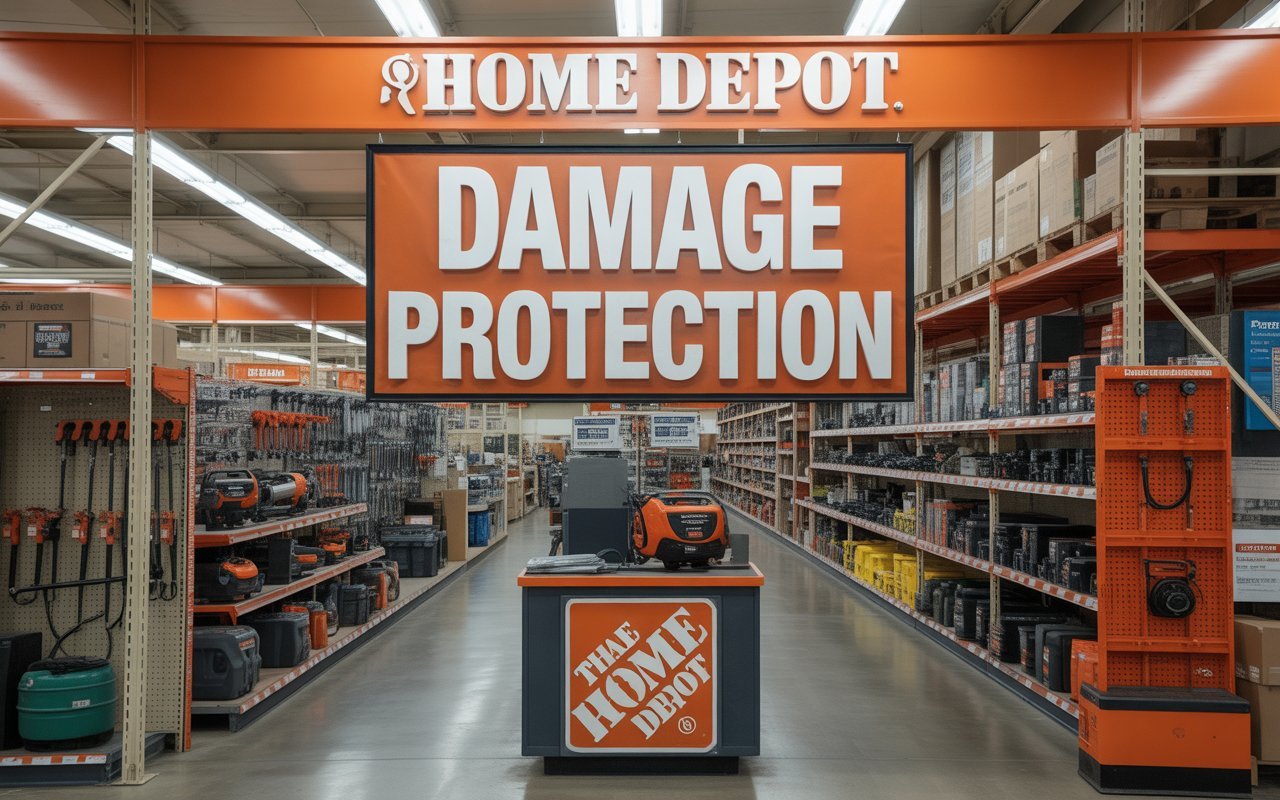

The Home Depot damage protection class action has attracted significant attention in recent months. Customers allege that the retail giant automatically adds damage protection fees to tool rentals and other services, even when they did not agree to it. The case has sparked debate about consumer rights, transparency in billing, and corporate responsibility. Understanding the details of this lawsuit is crucial for anyone who has used Home Depot’s rental services in recent years.
The lawsuit highlights broader issues in retail practices, including how optional services are presented and whether businesses are upholding contractual obligations. In this article, we will break down the case, explore real examples, and examine what it means for customers and the company alike.
What Is Home Depot damage protection class action?
Home Depot offers a damage protection program for tool rentals. This optional service is meant to protect customers from paying full replacement or repair costs if a rented tool gets damaged. While designed as a convenience, some customers argue that the program is misleading or imposed without proper consent.
Key points of the damage protection program:
- Covers accidental damage to rented tools
- Intended as optional insurance for peace of mind
- Fees vary depending on the rental item and duration
The class action alleges that despite being optional, the fee is automatically added to many customers’ bills. The plaintiffs argue this constitutes a breach of contract and unfair business practices.
How the Class Action Started
The lawsuit began when multiple customers noticed unexplained charges labeled as “damage protection” on their receipts. Investigations revealed that some Home Depot systems automatically include the fee unless a staff member removes it manually. Customers who did not opt-in were still being billed.
The plaintiffs filed the class action, claiming:
- Unauthorized billing for optional services
- Denial of damage protection claims when issues arose
- Misleading statements about the program’s nature and terms
These complaints form the core of the legal dispute and are the basis for seeking damages on behalf of all affected customers.
Real Case Example
In one notable example, a customer rented a power drill and saw a $10 damage protection fee applied without consent. When the tool was damaged during normal use, the claim was denied because the system indicated the customer had not agreed to the protection. This situation perfectly illustrates the alleged problem: fees being charged automatically, but coverage not guaranteed when needed.
Another customer reported that employees at the store informed them the damage protection fee is “default” on most rentals. Removing it required proactively asking the staff, which many customers were unaware of. Cases like these have fueled the class action and highlight the systemic issues involved.
Why Customers Are Filing a Class Action
Customers are pursuing a class action rather than individual lawsuits for several reasons:
- Efficiency: A single case can address complaints from thousands of customers.
- Stronger legal impact: Class actions can influence corporate practices more effectively.
- Financial recovery: Individuals may recover small amounts, but collectively the settlement could be significant.
The class action framework allows customers with similar grievances to band together and seek justice without filing multiple separate cases.
Legal Claims in the Lawsuit
The lawsuit raises several key legal points:
- Breach of Contract: Customers argue that Home Depot violated their agreements by charging fees without consent.
- Unfair Business Practices: The automatic addition of damage protection fees could be seen as misleading and unfair.
- Fraud or Misrepresentation: Plaintiffs allege that the company misrepresented the optional nature of the program.
The outcome will depend on whether courts determine that Home Depot’s practices were transparent and lawful, and whether customers were reasonably informed about the program.
Discover exclusive content from Urbaneditorial
Potential Impacts on Home Depot
If the class action succeeds, Home Depot may face:
- Financial Settlements: Millions in refunds or compensation for affected customers.
- Operational Changes: Adjustments to rental processes to ensure optional services are clearly presented.
- Reputation Management: Addressing public perception and customer trust concerns.
Such outcomes could reshape how Home Depot and similar retailers handle optional service fees, emphasizing transparency and consent.
Consumer Awareness Tips
For customers concerned about damage protection fees, consider the following:
- Always check your receipt before leaving the store.
- Ask employees to clarify whether any protection fees are optional.
- Keep documentation of rental agreements and receipts.
- Understand the terms of coverage, including what is and isn’t covered.
- Consider whether paying for damage protection is necessary for your specific rental.
Being proactive can prevent unexpected charges and denied claims in the future.
Bullet Points: Key Takeaways from the Class Action
- Home Depot automatically adds damage protection fees on some rentals.
- Customers may be charged even if they did not consent.
- Claims for damaged tools can be denied, highlighting potential gaps in coverage.
- The class action seeks to recover fees and reform billing practices.
- Affected customers could be eligible to participate in the settlement.
Bullet Points: How This Reflects Broader Consumer Issues
- Retailers face scrutiny over optional service fees and transparency.
- Customers increasingly demand clear billing and consent.
- Class actions are effective tools for addressing systemic corporate practices.
- Legal challenges encourage companies to review policies and employee training.
- Awareness campaigns can empower consumers to make informed decisions.
What Customers Should Do Now
If you’ve recently rented tools from Home Depot, consider:
- Reviewing Receipts: Look for damage protection charges and verify if you agreed.
- Saving Evidence: Keep all rental agreements and communications.
- Monitoring Lawsuit Updates: Class actions typically include notices about eligibility and claims.
- Contacting the Company: Clarify charges and request refunds if applicable.
- Seeking Legal Advice: If unsure about participation or rights, consult a consumer attorney.
Taking action early ensures you don’t miss the opportunity to recover fees or participate in a settlement.
FAQs
Q1: What is Home Depot damage protection?
A: It’s an optional program covering accidental damage to rented tools.
Q2: Can I get a refund if I was charged without consent?
A: Yes, if your claim is part of the class action or through Home Depot’s customer service.
Q3: Who can join the class action?
A: Customers who were charged for damage protection without opting in may be eligible.
Q4: Are all tool rentals affected?
A: No, it depends on the store and how fees are applied in the system.
Q5: How will the lawsuit affect Home Depot?
A: It could lead to financial settlements, operational changes, and policy updates.
Conclusion
The Home Depot damage protection class action highlights the importance of clear communication and transparency in retail billing. Customers allege that optional fees are added automatically and claims are sometimes denied, prompting legal action to protect consumer rights. For anyone who has rented tools from Home Depot, understanding this case is essential. Participation in the class action could provide financial restitution and help ensure more transparent practices in the future.
By staying informed, reviewing receipts, and understanding rental agreements, customers can protect themselves and potentially benefit from the outcome of this lawsuit.