
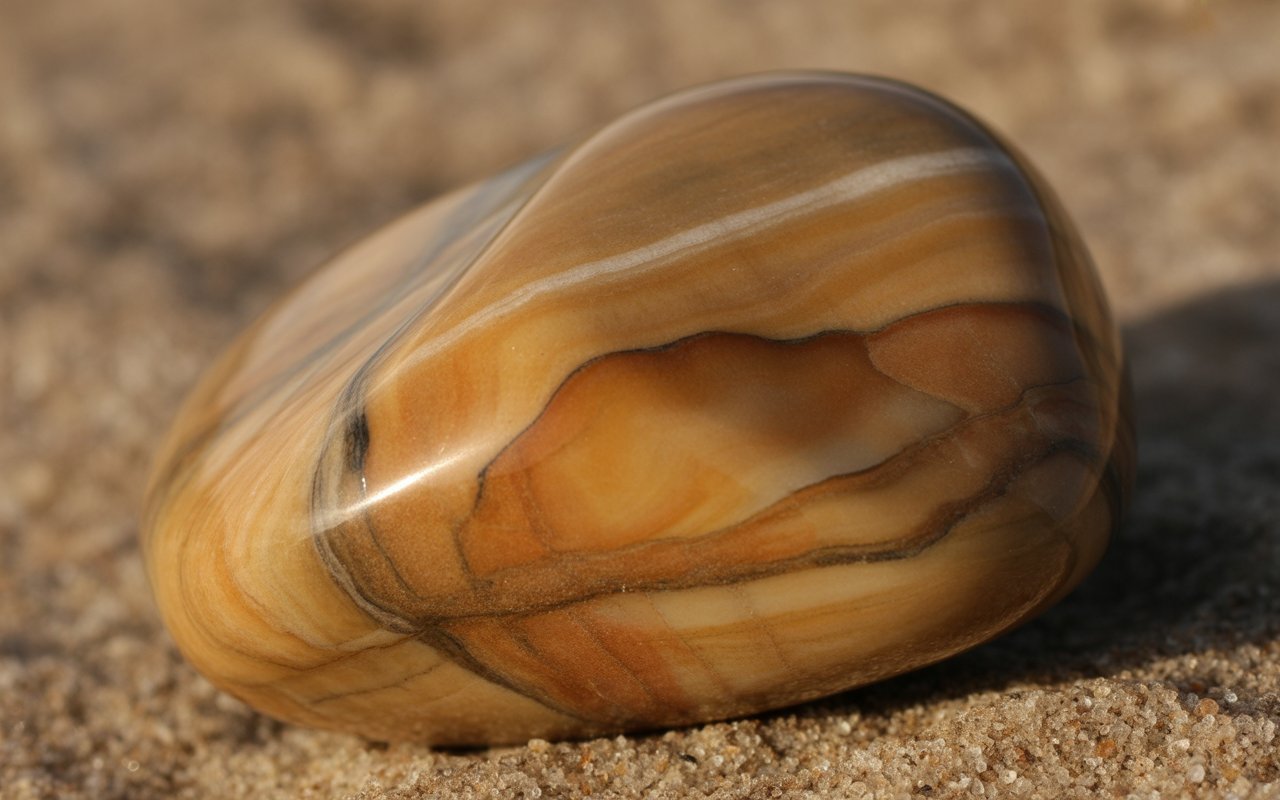

The term pebble convex refers to the smooth, outward-curving shape commonly seen in natural pebbles. When stones travel through rivers, streams, or along beaches, they gradually lose their sharp edges and develop rounded surfaces. This curved surface is called convex, meaning it bulges outward rather than inward.
Understanding pebble convex shapes helps scientists learn about erosion, sediment movement, and landscape evolution. Geologists often study the shape and smoothness of pebbles to determine how far they have traveled and what type of environment shaped them.
Over time, repeated collisions with other stones, sand, and water movement polish rough rock fragments into smooth, rounded pebbles. The longer the journey, the more pronounced the convex shape becomes.
Although it may look simple, the pebble convex structure reflects complex natural processes that occur over hundreds or even thousands of years. These shapes also influence modern design, architecture, and decorative materials.
This article explores how pebble convex shapes form, why they are important in geology, and where they appear in everyday life.
What Is Pebble Convex?
The phrase pebble convex describes the outward-curving surface that develops on pebbles after long exposure to erosion and abrasion. In geometry, a convex surface curves outward, meaning there are no inward dents or sharp angles.
When rocks first break off from larger formations, they are usually jagged and irregular. These fragments often have sharp corners and flat faces. However, once they enter environments like rivers or beaches, natural forces begin to reshape them.
As stones roll along riverbeds or are pushed by ocean waves, they constantly collide with other rocks and sediments. These impacts gradually wear down the edges, removing the sharp points and leaving a smoother surface.
Eventually, the stone develops a rounded structure that represents the classic pebble convex form. This transformation is one of the clearest examples of how natural forces shape the Earth over time.
Scientists often analyze pebble shapes to determine erosion rates, transport distance, and environmental conditions in geological studies.
The Science Behind Pebble Convex Formation
The formation of pebble convex shapes occurs mainly due to mechanical erosion and abrasion. When rocks move through water systems such as rivers or coastal areas, they repeatedly collide with other stones and sediment particles.
These collisions act like natural grinding processes. Sharp edges experience the most impact and therefore wear down faster than flatter surfaces. As a result, the rock gradually develops smoother curves.
Another factor influencing pebble shape is water movement. Strong currents or wave action keep stones rolling and tumbling continuously. This constant movement increases friction and accelerates the rounding process.
Interestingly, once a stone becomes convex, erosion tends to affect its surface evenly. This means the pebble becomes smaller over time but maintains its overall rounded shape.
Scientists have recreated this process in laboratory experiments using rotating drums filled with water and rocks. These experiments show that rough fragments quickly lose their sharp edges and become convex after repeated collisions.
This research confirms that the pebble convex shape is not random but a predictable result of natural physical forces.
Natural Processes That Create Pebble Convex Stones
Several natural forces contribute to the formation of pebble convex stones. These processes work together to gradually reshape rough rock fragments into smooth, rounded pebbles.
The most important processes include:
- Mechanical Weathering – Rocks break into smaller fragments due to pressure, temperature changes, or natural fractures.
- Transportation – Water currents carry rock fragments through rivers or coastal environments.
- Abrasion – Stones rub against each other and against sand particles, removing sharp edges.
- Wave Action – Ocean waves continuously move stones, polishing them over time.
- Chemical Weathering – Minerals slowly dissolve, smoothing the rock surface.
Each of these processes plays a role in transforming irregular rock fragments into the classic pebble convex shape.
The speed of this transformation depends on several factors, including water velocity, rock hardness, and the distance the pebble travels.
Discover exclusive content from Urbaneditorial
Geological Importance of Pebble Convex Shapes
For geologists, the shape of a pebble provides valuable clues about Earth’s history. The degree of convexity can reveal how far a stone has traveled and what type of environment shaped it.
Pebbles found near mountain sources usually appear angular and rough. These rocks have not traveled far enough to experience significant erosion. However, stones located farther downstream often show smooth convex surfaces.
This pattern allows geologists to estimate sediment transport distances in river systems. By studying pebble shapes, scientists can reconstruct ancient rivers, understand sediment flow, and analyze erosion patterns.
Pebble shapes also help researchers identify different geological environments. For example, beach pebbles tend to be smoother than river pebbles because ocean waves provide constant movement and polishing.
Therefore, the pebble convex structure acts like a natural record of geological processes.
Case Study: River Pebbles Becoming Smooth Over Distance
A well-known example of pebble convex formation can be seen in river systems around the world. Researchers studying sediment transport noticed that pebble shapes change gradually as they move downstream.
Near the river source, stones are usually sharp and irregular. These rocks have recently broken from cliffs or mountains and have experienced little erosion.
As they travel further downstream, the stones collide repeatedly with other rocks and sand particles. Over time, the sharp edges disappear, and the pebbles become smoother and more rounded.
In experimental studies, scientists placed angular rock fragments inside rotating drums filled with water and sand. After hours of tumbling, the fragments quickly lost their corners and developed convex shapes.
This experiment confirmed what geologists observe in nature: distance and movement are key factors in creating the pebble convex structure.
Even a simple river pebble can reveal a long geological journey.
Applications of Pebble Convex in Design and Architecture
The smooth curves of pebble convex shapes have inspired many modern design trends. Architects and designers often mimic these natural forms to create organic and calming spaces.
Pebble-inspired shapes appear in furniture, interior decoration, landscape design, and decorative tiles. These rounded forms create a soft and natural visual effect that contrasts with sharp geometric designs.
In interior design, convex pebble tiles are often used on walls or floors to add texture and depth. Their curved surfaces reflect light differently, producing subtle shadows that enhance the aesthetic appeal.
Landscape designers also use real pebbles in garden paths, water features, and decorative arrangements. The smooth stones create a natural look that blends well with plants and outdoor environments.
The popularity of these designs shows how nature continues to influence human creativity.
Key Characteristics of Pebble Convex Surfaces
The pebble convex structure has several defining characteristics that make it easy to identify. These features result from long periods of erosion and abrasion.
Key characteristics include:
- Smooth, rounded surfaces
- Outward-curving shape without sharp edges
- Balanced and symmetrical form
- Polished texture caused by friction
- Gradual curvature across the entire pebble
These traits appear because erosion removes sharp points faster than flatter surfaces. Over time, the rock naturally settles into a balanced and rounded shape.
This is why pebbles from different rivers and beaches often look similar even if they formed in completely different locations.
Why Pebble Convex Shapes Remain Stable
Once a pebble reaches its convex shape, it tends to maintain that form for a long time. Even as erosion continues, the overall structure stays relatively stable.
This stability happens because the surface experiences uniform wear. Without sharp edges or weak points, erosion affects all areas of the pebble at nearly the same rate.
Instead of changing shape dramatically, the pebble simply becomes smaller while keeping its rounded structure. This process explains why many beach pebbles appear perfectly smooth and balanced.
Scientists consider this stability an important example of how natural systems move toward equilibrium. The pebble convex form represents one of the most stable shapes produced by erosion.
Cultural and Symbolic Meaning of Pebble Shapes
Beyond science, the pebble convex shape holds cultural and symbolic meaning in many societies. Smooth stones are often associated with peace, balance, and natural harmony.
In Zen gardens, rounded stones represent simplicity and calmness. Their smooth surfaces encourage reflection and meditation. Artists and sculptors also use pebble shapes to express organic flow and natural beauty.
Even in everyday life, people enjoy collecting smooth stones from beaches or rivers. The gentle curves and polished surfaces feel comfortable in the hand, creating a natural sensory connection with the environment.
These small objects remind us that time and natural forces can transform rough materials into something elegant and balanced.
Future Research on Pebble Convex Shapes
Scientists continue to study pebble convex formation to better understand sediment transport and landscape evolution. Modern research uses advanced computer simulations, laboratory experiments, and field observations.
By analyzing pebble shapes, researchers can estimate erosion rates and predict how rivers and coastlines will change over time. This information is important for environmental planning, flood management, and geological mapping.
Researchers are also exploring the mathematical principles behind pebble rounding. Understanding these patterns could help scientists model natural processes more accurately.
Even though pebbles seem simple, they provide valuable insights into Earth’s dynamic systems.
FAQs
- What does pebble convex mean?
Pebble convex describes the smooth outward-curving surface of a pebble formed through erosion and abrasion over time. - Where are pebble convex stones commonly found?
They are usually found in rivers, streams, lakeshores, and beaches where water movement continuously reshapes rocks. - How long does it take for a pebble to become convex?
The process can take hundreds or thousands of years depending on water flow, rock hardness, and travel distance. - Why are beach pebbles smoother than river pebbles?
Ocean waves constantly move stones back and forth, creating more friction and polishing than most river currents. - Can scientists learn geological history from pebbles?
Yes. Pebble shape and smoothness help scientists estimate erosion rates, transport distance, and past environmental conditions.
Conclusion
The pebble convex shape is a remarkable example of nature’s ability to transform rough materials into smooth and balanced forms. Through erosion, abrasion, and continuous movement, jagged rocks gradually become rounded pebbles.
These shapes tell important stories about geological processes, river transport, and environmental conditions. By studying pebble forms, scientists can reconstruct landscapes and understand how natural systems evolve over time.
Beyond science, the elegant curves of pebble convex structures inspire modern design, architecture, and art. Their smooth surfaces symbolize balance, calmness, and the slow power of nature.
A simple pebble may seem ordinary, but its shape reflects a long journey shaped by water, time, and motion.