
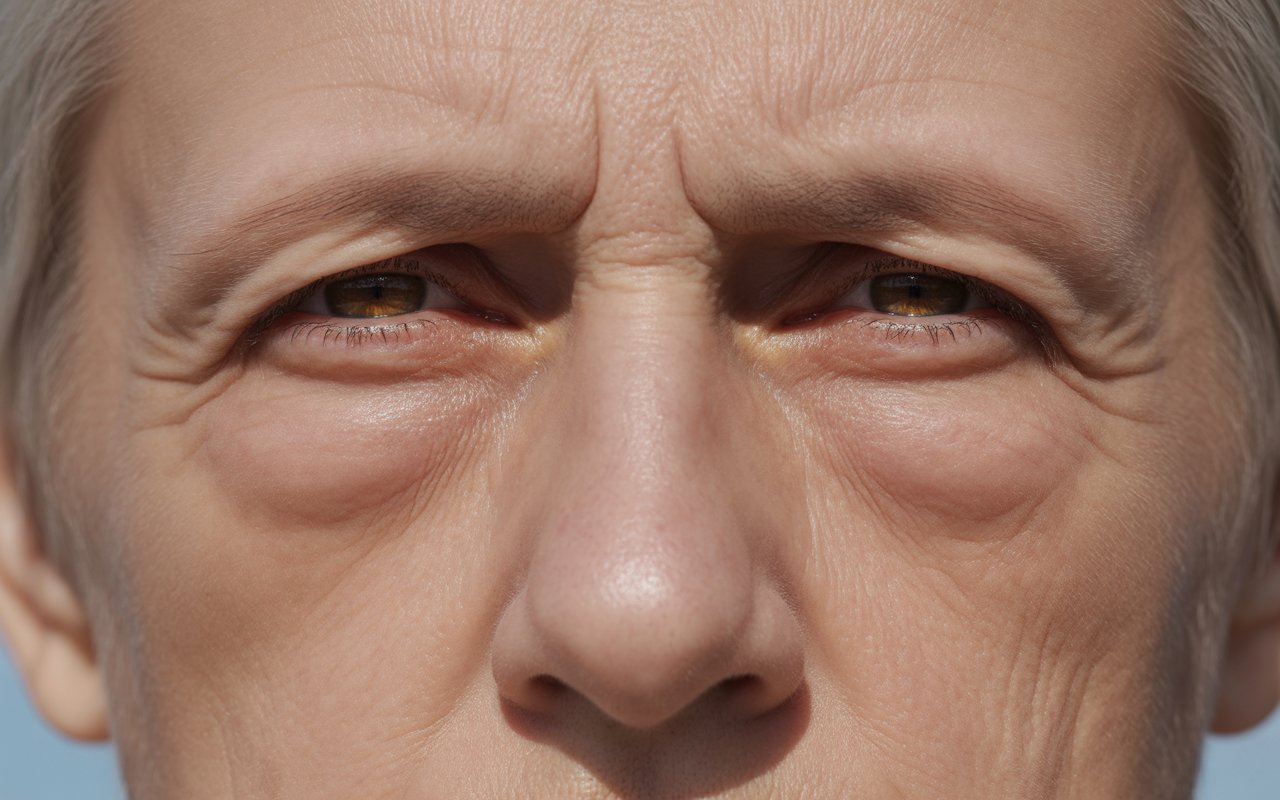

Sunken eyes are a common concern that can affect people of all ages. Beyond aesthetics, they may indicate lifestyle or health factors. The under-eye area may look hollow, shadowed, or darker, giving a tired, stressed, or aged appearance.
In 2026, experts emphasize that sunken eyes are caused by multiple factors, including aging, tissue volume loss, dehydration, sleep deficits, nutritional deficiencies, and sometimes medical conditions. Understanding the causes and solutions is essential for both cosmetic improvement and overall eye health.
This guide explores the latest causes, signs, remedies, medical treatments, and prevention strategies to help people manage sunken eyes effectively.
What Are Sunken Eyes?
Sunken eyes, also called under-eye hollows or tear-trough deformities, occur when the tissue beneath the eyes loses volume. The skin may appear thin, shadowed, or darker than surrounding areas.
This happens because fat pads, collagen, and elastin, which normally support the under-eye area, shrink or shift. The result is a hollow appearance that can affect one or both eyes and may make a person appear older or tired even when well-rested.
Recognizing the signs early can help in managing or preventing worsening of the condition.
Main Causes of Sunken Eyes
Sunken eyes have multiple potential causes:
- Aging: Collagen and elastin production decline with age, while facial fat and bone density reduce, leading to hollowness.
- Dehydration: Lack of sufficient fluids decreases skin elasticity and plumpness.
- Poor sleep: Inadequate rest disrupts skin repair, resulting in dark shadows and deeper hollows.
- Genetics: Deep-set eyes or natural facial structure can make hollows more pronounced.
- Rapid weight loss: Loss of facial fat accentuates under-eye hollows.
- Smoking: Reduces collagen and blood flow, accelerating skin aging.
- Allergies or sinus issues: Inflammation can accentuate shadows around the eyes.
Less common causes include facial injuries, chronic illnesses, or nutritional deficiencies that reduce tissue health.
Symptoms and Signs You May Notice
The most common indicators of sunken eyes include:
- Hollowing beneath the lower eyelids
- Dark shadows under the eyes
- Thin, translucent skin
- Fatigue-like or aged facial appearance
Shadows may become more visible under bright lighting due to the natural contours of the eye area.
Are Sunken Eyes a Medical Concern?
For most people, sunken eyes are cosmetic and harmless. However, a sudden appearance of hollowing, accompanied by pain, vision changes, or facial asymmetry, may require medical attention.
Such cases may indicate trauma, sinus issues, or rare medical conditions affecting the eyes or surrounding tissues.
Discover exclusive content from Urbaneditorial
Lifestyle Fixes That Can Help
Many cases of sunken eyes respond well to lifestyle adjustments:
- Hydration: Drink enough water to maintain skin elasticity.
- Sleep: Maintain consistent sleep patterns of 7–9 hours per night.
- Balanced diet: Include vitamins C and K, proteins, and healthy fats.
- Reduce smoking and alcohol: Both accelerate collagen loss and skin aging.
- Sun protection: UV exposure breaks down collagen and can worsen hollows.
Implementing these changes can slow or reduce the severity of under-eye hollows over time.
Home Remedies for Sunken Eyes
Several natural remedies can improve appearance:
- Chilled cucumber slices to refresh the skin
- Cold tea bags to improve circulation
- Almond or coconut oil massage for nourishment
- Hydrating creams with hyaluronic acid to temporarily plump skin
While home remedies do not address structural hollowness, they can reduce shadows and enhance skin quality.
Medical and Cosmetic Treatments
For more pronounced sunken eyes, professional options are available:
- Dermal fillers: Hyaluronic acid injections restore under-eye volume.
- Platelet-rich plasma (PRP) therapy and collagen boosters: Enhance skin quality and regeneration.
- Laser treatments or chemical peels: Improve texture and support collagen.
- Surgical options: Considered in severe cases for structural correction.
Always consult qualified specialists before undergoing cosmetic procedures to avoid risks and side effects.
Sunken Eyes in Younger People
Even young adults can develop sunken eyes due to:
- Stress and fatigue
- Dehydration
- Nutritional deficiencies
- Allergies
These cases often respond well to hydration, improved sleep, balanced diet, and lifestyle adjustments rather than medical procedures.
Real Case Study
A 28-year-old office worker noticed deep hollows under his eyes after months of poor sleep, stress, and high caffeine intake. By making lifestyle changes including:
- Drinking 2–3 liters of water daily
- Reducing caffeine
- Using a hydrating eye cream
- Applying cold compresses
He saw visible improvement within 8 weeks, with lighter shadows and a healthier under-eye appearance.
This illustrates how non-invasive interventions can have noticeable results.
How to Prevent Sunken Eyes
Prevention focuses on maintaining tissue health and skin quality:
- Stay properly hydrated
- Maintain consistent sleep patterns
- Eat nutrient-rich foods
- Protect the under-eye skin from sun exposure
- Avoid smoking and limit alcohol
- Manage stress through exercise and relaxation
Regular attention to these habits can help prevent or delay the development of sunken eyes.
FAQs
- Can sunken eyes improve on their own?
Yes, mild cases from dehydration or lack of sleep often improve with hydration and better sleep routines. - Is aging the only cause of sunken eyes?
No, lifestyle, genetics, weight loss, allergies, and nutritional deficiencies also play a role. - Can skincare products permanently fix sunken eyes?
Skincare improves skin quality but cannot permanently restore volume lost due to structural changes. - When should I see a doctor?
See a doctor if hollows appear suddenly, worsen quickly, or are accompanied by vision issues or pain. - Are cosmetic procedures safe?
Yes, if performed by qualified professionals, though all procedures carry some risk of side effects.
Conclusion
Sunken eyes are a common and mostly harmless condition that can affect appearance and confidence. Causes include aging, lifestyle factors, dehydration, genetics, and health conditions.
In 2026, updated strategies focus on combining lifestyle improvements, home remedies, and medical treatments to manage or prevent sunken eyes effectively. Consistency in hydration, sleep, nutrition, and skincare can significantly improve the under-eye area, while professional treatments offer more advanced solutions for severe hollows.
By understanding the causes and evidence-based treatments, individuals can achieve healthier, more youthful-looking eyes