
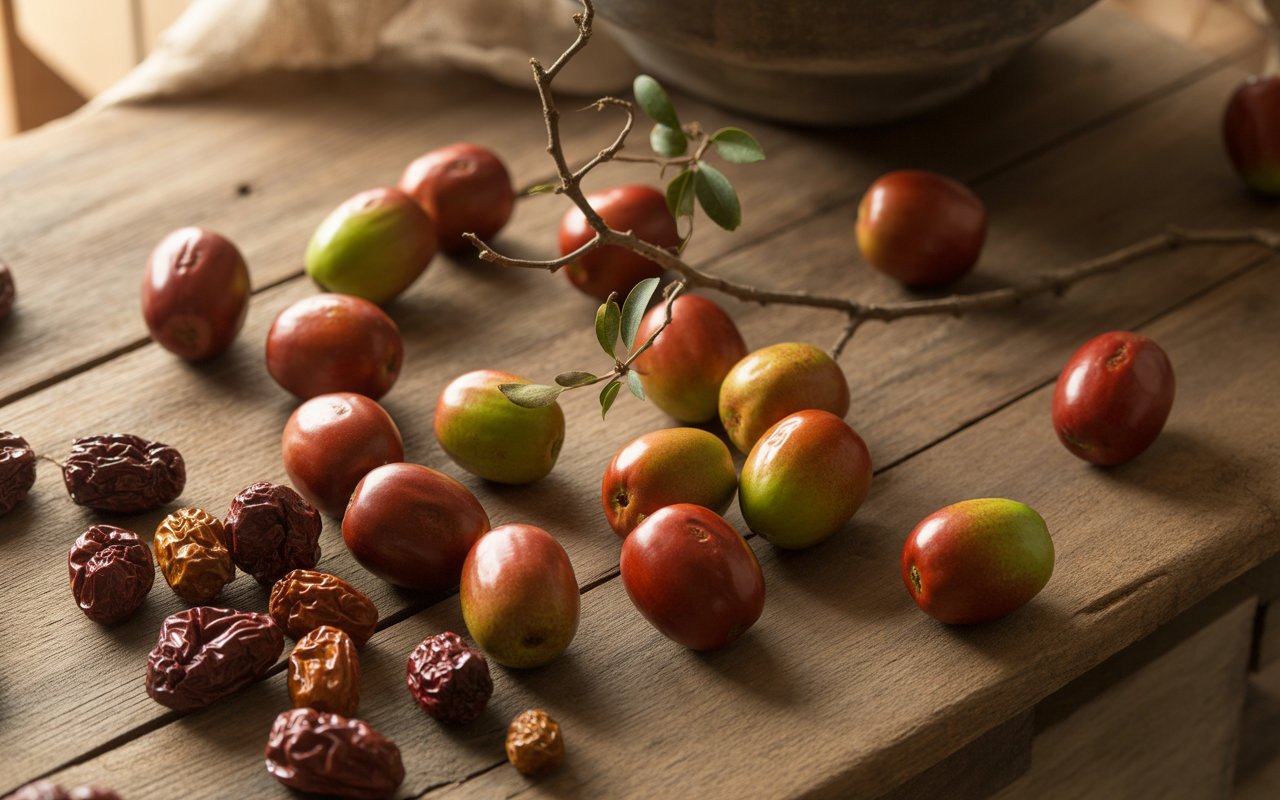

Žižole, also known as jujube or Chinese date, is gaining global attention as a natural superfruit. Once limited to traditional medicine, it is now trending in modern nutrition and wellness spaces. People are curious about its health benefits, taste, and uses in daily diets.
This small fruit packs a surprising punch. It contains vitamins, antioxidants, and bioactive compounds that may support overall health. Research suggests it could help with digestion, sleep, and even metabolic health, although more human studies are still needed.
In this article, you will explore everything about žižole—its origin, nutrition, benefits, trends, and practical uses.
What Are Žižole and Where Do They Come From
Žižole are small fruits from the plant Ziziphus jujuba. They are native to China and have been used for over 3,000 years in traditional medicine and food culture. Today, they grow in many regions including Asia, the Mediterranean, and parts of the United States.
Fresh žižole look like small apples. They are crisp, slightly sweet, and juicy. When dried, they become wrinkled and taste more like dates. This dual nature makes them versatile in both fresh and dried forms.
Globally, žižole are now entering health food markets. Their long history and natural profile make them appealing to people seeking plant-based nutrition.
Nutritional Profile of Žižole
Žižole are nutrient-dense fruits. They provide essential vitamins and minerals that support daily health. A typical serving contains vitamin C, potassium, iron, and fiber.
They are especially rich in antioxidants like phenolic compounds. These compounds help protect the body from damage caused by free radicals. In fact, studies show žižole may contain higher antioxidant levels than some common fruits.
Another key benefit is their fiber content. Fiber helps digestion and supports gut health. Combined with natural sugars, žižole offer a balanced energy boost without being overly processed.
This nutrient combination explains why žižole are considered a functional food.
Health Benefits of Žižole Backed by Research
Modern science is beginning to validate traditional claims about žižole. While research is still developing, early findings are promising.
Studies show that žižole contain bioactive compounds such as flavonoids and polysaccharides. These compounds may support immunity, reduce inflammation, and improve overall health.
Some research also suggests potential benefits for metabolic health. Findings indicate that žižole may help reduce blood sugar levels and improve cholesterol profiles in certain groups.
Additionally, their antioxidant content may help protect cells and reduce the risk of chronic diseases. However, experts note that more human studies are needed to confirm these effects.
Top Health Benefits of Žižole
Žižole offer multiple health advantages due to their rich nutrient profile:
- Support immune function with vitamin C
- Promote better digestion through fiber
- Provide antioxidants that fight cell damage
- May improve sleep and reduce stress
- Support heart health and metabolic balance
These benefits make žižole a valuable addition to a balanced diet. Still, they should be consumed as part of an overall healthy lifestyle rather than a cure-all.
Žižole in Traditional and Modern Medicine
Žižole have deep roots in traditional medicine, especially in China. They are often used to calm the mind, improve sleep, and strengthen digestion.
In traditional herbal practices, žižole are believed to nourish the blood and support overall vitality. Modern research is now exploring these effects scientifically.
Recent studies highlight their potential neuroprotective and anti-inflammatory properties. This means they may help support brain health and reduce inflammation in the body.
Today, žižole are used in teas, supplements, and natural remedies worldwide.
How to Eat and Use Žižole Daily
Žižole are easy to include in your daily routine. They can be eaten fresh, dried, or cooked in various dishes.
Fresh žižole are crunchy and refreshing. Dried ones are sweeter and chewy, making them ideal for snacks or desserts. You can also add them to teas, soups, or baked goods.
In many cultures, žižole tea is popular for relaxation. It is often consumed before bedtime due to its calming properties.
You can also mix dried žižole with nuts for a healthy snack. Their natural sweetness makes them a great alternative to processed sugar.
Discover exclusive content from Urbaneditorial
Growing Popularity and Global Trends
Žižole are becoming more popular worldwide. This is largely due to the growing demand for natural and functional foods.
Recent research highlights their potential as a source of bioactive compounds for nutraceutical products. This means they could be used in health supplements and functional foods.
Health-conscious consumers are also turning to traditional foods like žižole. Social media and wellness trends are helping spread awareness.
As a result, žižole are now appearing in health stores, online markets, and even modern recipes.
Case Study: How Žižole Improved Daily Wellness
A small wellness experiment in a nutrition clinic explored the effects of adding dried žižole to daily diets.
Participants consumed a small portion of dried žižole daily for four weeks. Many reported improved digestion and better sleep quality. Some also noted increased energy levels.
While this is not a large-scale clinical trial, it aligns with existing research suggesting potential benefits for gut health and relaxation.
This example shows how simple dietary changes can make a noticeable difference.
Possible Side Effects and Precautions
Žižole are generally safe for most people. However, there are a few things to consider.
They may interact with certain medications, including antidepressants and seizure medications. If you are taking medication, it is best to consult a doctor before adding them to your diet.
Also, dried žižole contain natural sugars. Eating them in large amounts may increase calorie intake.
As with any food, moderation is key.
Future of Žižole in Nutrition and Health
The future of žižole looks promising. Scientists are exploring their role in functional foods and natural medicine.
New studies are focusing on their antioxidant, anti-inflammatory, and metabolic benefits. Researchers are also investigating how to preserve their bioactive compounds for use in supplements.
As interest in plant-based nutrition grows, These are likely to become more mainstream. They may soon be a common ingredient in health products worldwide.
FAQs
- What are žižole?
Žižole are small fruits also called jujube or Chinese dates. They are sweet, nutritious, and used in food and medicine. - Are žižole good for health?
Yes, they contain vitamins, fiber, and antioxidants that support overall health, though more research is needed. - Can žižole help with sleep?
They are traditionally used to promote relaxation and better sleep, but scientific evidence is still limited. - How do you eat žižole?
You can eat them fresh, dried, or in teas, desserts, and snacks. - Are there any side effects of žižole?
They are generally safe, but may interact with certain medications, so consult a doctor if unsure.
Conclusion
Žižole are more than just a traditional fruit. They are a rising star in modern nutrition. With their rich nutrient profile and potential health benefits, they offer a simple way to improve daily wellness.
While research is still ongoing, current evidence suggests they may support digestion, sleep, and overall health. Their growing popularity shows that ancient foods still have a place in today’s world.
Adding žižole to your diet is an easy step toward a healthier lifestyle.